BLOG
Stay up to date with the events and knowledge that are shaping the publishing industry.
Scholarly Publishing in 2026: Trends, Technology, and Growth
As we enter the fifth month of 2026, now feels like a good time to consider what we can expect to see in scholarly publishing throughout the remainder of the year. To begin making predictions for a new year, it is always helpful to take a minute and reflect...
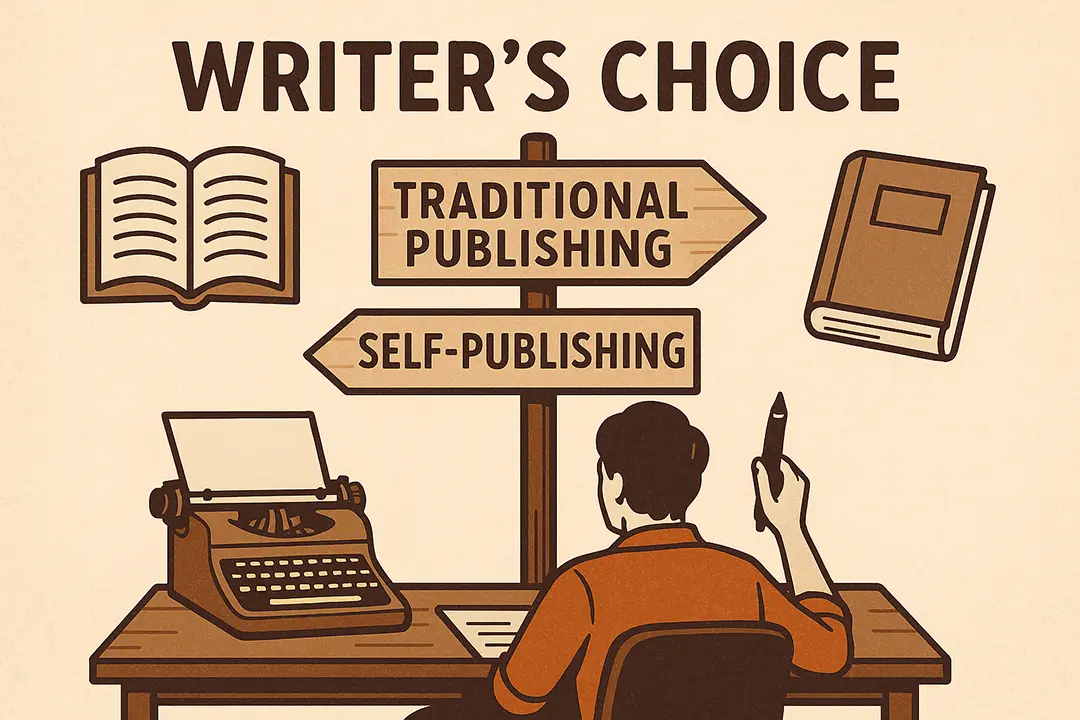
Indie Authors and Traditional Publishers: How to Collaborate for Bigger Reach
The number of self-published books with ISBNs has more than doubled over the past decade, and approximately one-third of all books sold in the US are self-published. Additionally, indie authors are gaining recognition, and some are gaining true fame with this...
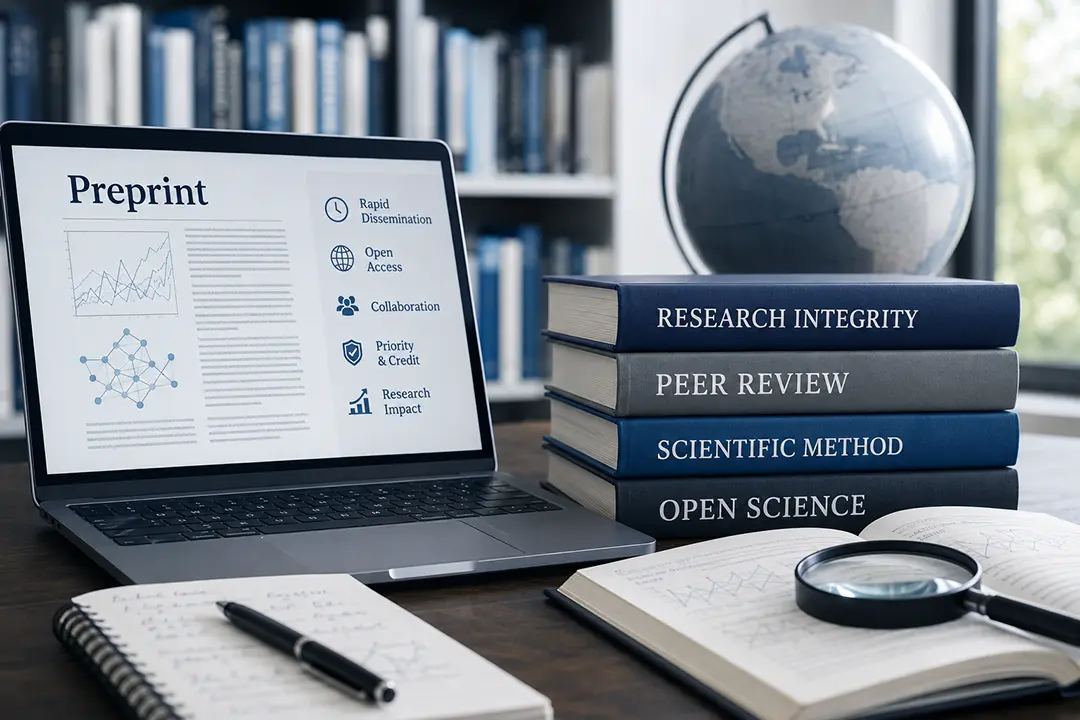
The Pros and Cons of Preprints: Speed, Scrutiny, and the Shape of Modern Research
In the past, scientific publishing moved at the pace of glaciers—deliberate, weighty, and often frustratingly slow. And there was good reason for this. Peer review is an important part of scientific publishing that is necessary to weed out research that is not...
Plagiarism Screening 101: A Guide for Authors
Plagiarism, according to Oxford Languages, is “the practice of taking someone else's work or ideas and passing them off as one's own”. We might all remember the grueling days of high school English class, learning about in-text citations and the importance of...

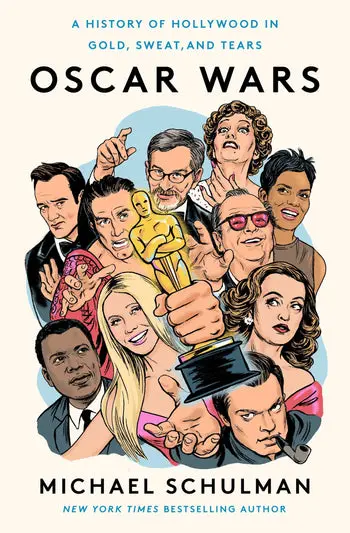
Stories Behind the Screen: Essential Hollywood Summer Reads
Movies seasons come and go, but great books about movies never leave readers! Oscar Wars: A History of Hollywood in Gold, Sweat, and Tears By Michael Schulman It was the best of movies, it was the worst of fighting about movies, it was the cinema of wisdom, it was...
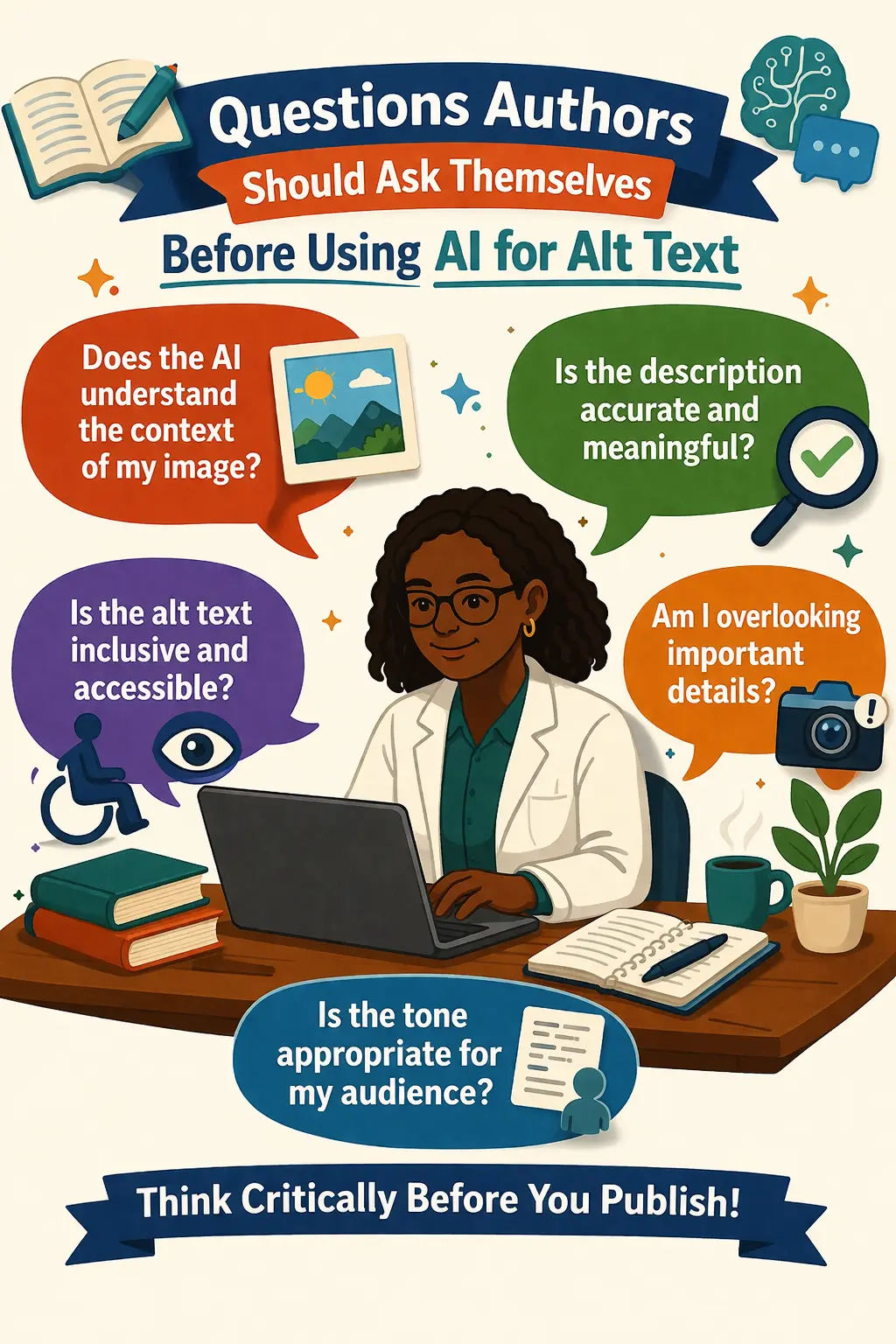
Questions Authors Should Ask Themselves Before Using AI for Alt Text
In the writing, editing, and publishing industry, AI is here to stay, across all aspects of the business. And alt text—that is, a brief text description designed to replace an image in the electronic version of an article—isn’t going anywhere either. AI is a...
Understanding Alt Text: Emerging Challenges and Best‑Practice Guidelines (Part II)
One of the biggest hot topics in publishing right now is the use of alt text—that is, brief descriptions of an image in an electronic article. The first installment of this two-part series discusses the potential benefits that come with the use of alt text. These...
Understanding Alt Text: Key Advantages for Accessibility and SEO (Part I)
A generation ago, the term “alt text” probably would have been unknown to many in the publishing field. But today, the topic is essential—and hot. Alt text, in its most basic terms, refers to a brief description designed to replace an image, usually in the web form...
Sensitivity Readers: An Important Step in Promoting Diversity?
Representation matters. This isn’t a debate. It’s factual statement that reverberates through any artistic medium, especially literature. When a reader sees a character like them in a story, it can awaken new possibilities in them, especially young readers from...

How Authors Become Influencers: Strategies to Build an Engaged Reader Community
The dictionary definition of influencer is simply “a person or thing that influences another.” However, in today’s online world, influencer refers to “a person who has become well known through regular social media posts and is able to promote a product or...