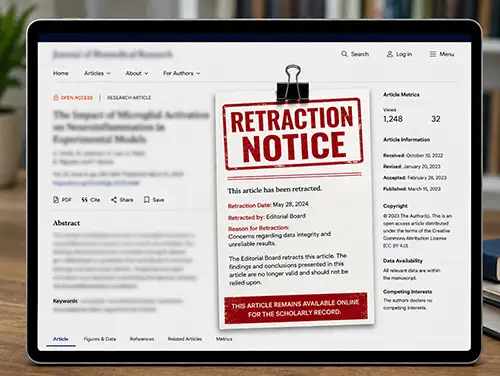
 Science is often described as a self-correcting process. New discoveries build on previous work, ideas are challenged, and evidence evolves over time. But, what happens when a published manuscript contains errors, questionable findings, or evidence of misconduct?...
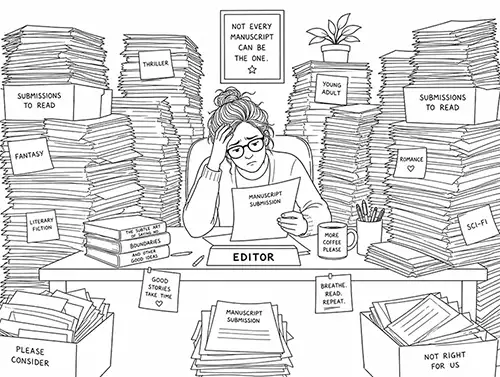 The peer review landscape in scholarly publishing is rapidly changing. As the pressure to publish and the number of reputable scholarly journals both increase, it means competent peer reviewers are being stretched increasingly thin. As a result, this is leading to...
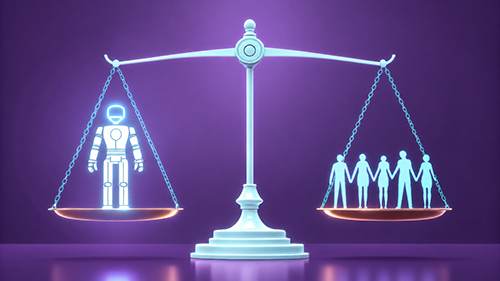 With the current dramatic increases in both the number of prestigious scientific journals and the number of articles being submitted to those journals, editors must be on the lookout for new ways to combat peer reviewer fatigue. And these trends mean that it is...
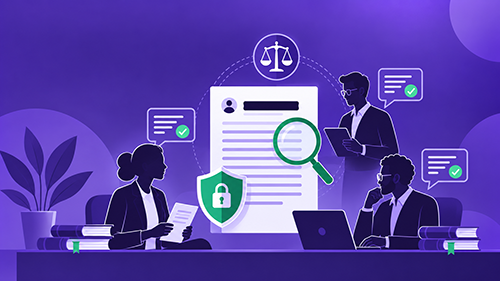 Peer review is one of the cornerstones of scholarly publishing. Before research is accepted for publication, experts must assess its quality, originality, methodology, significance, and contribution to the field. Depending on the publisher or the subject matter,...
 Let’s talk about reviewer invitations. If you have spent any time working with scholarly journals and peer review lately, the following may sound very familiar to you. An email arrives from a journal you barely recognize. The greeting feels generic. The manuscript is...
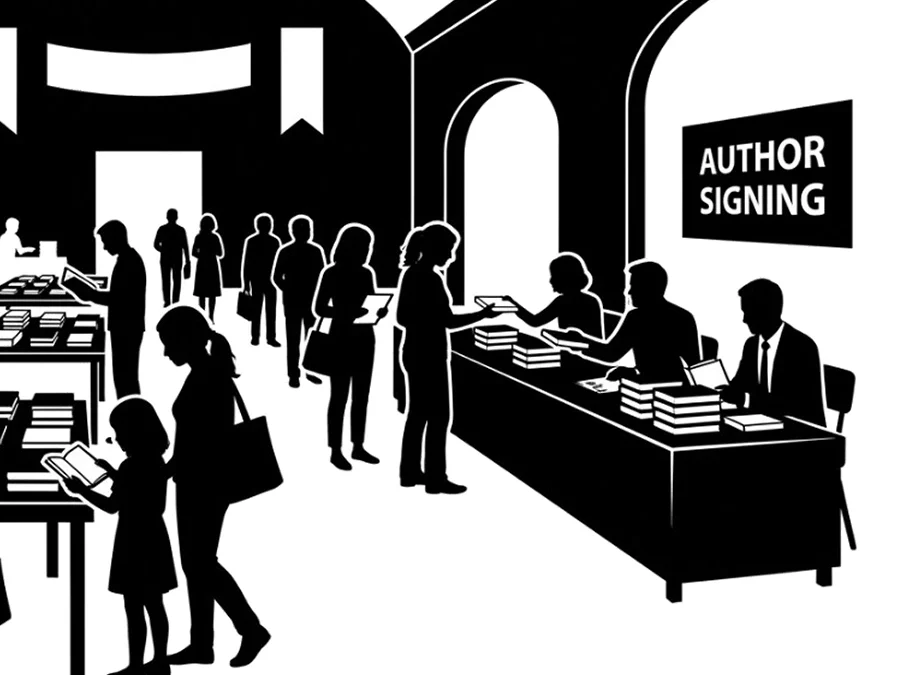 Readers no longer want to know only your books. They want to know you. While an author’s main occupation is writing and publishing books, the books themselves should not be the only way authors engage with their readers. Authors should also visibly, directly engage...