BLOG
Stay up to date with the events and knowledge that are shaping the publishing industry.
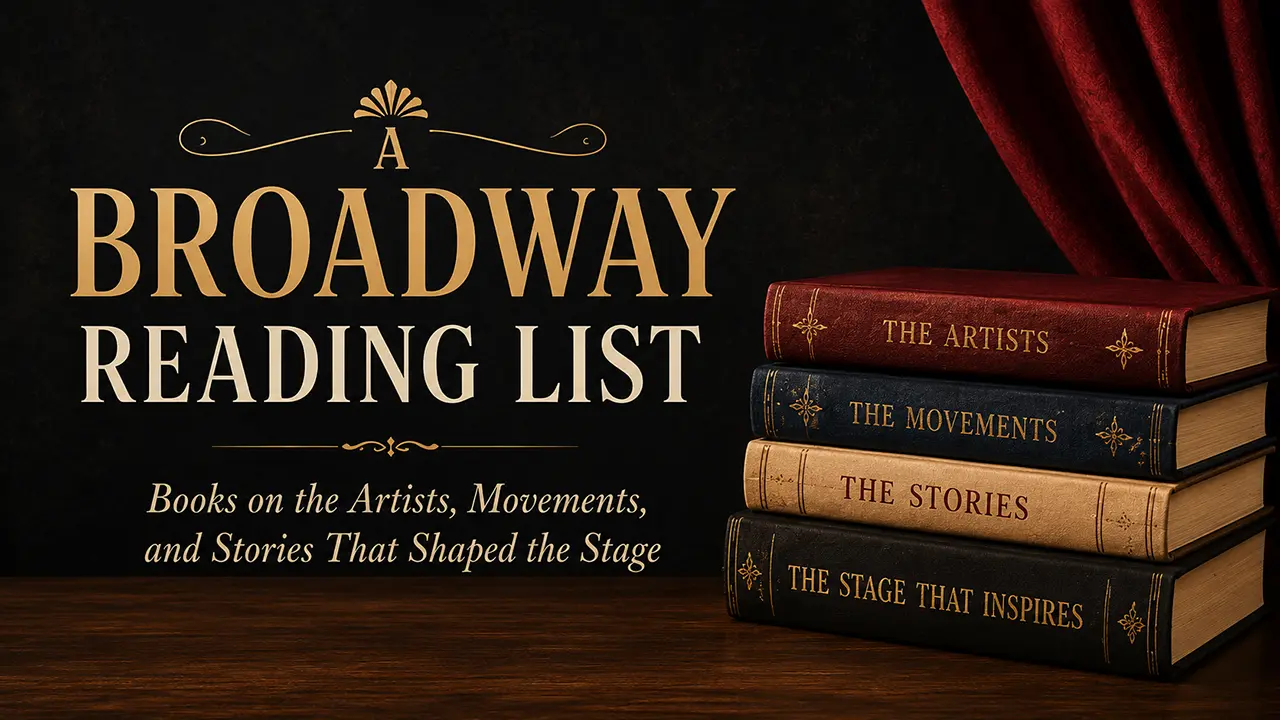
Retractions, Corrections, and Expressions of Concern, Oh My!
Science is often described as a self-correcting process. New discoveries build on previous work, ideas are challenged, and evidence evolves over time. But, what happens when a published manuscript contains errors, questionable findings, or evidence of misconduct?...
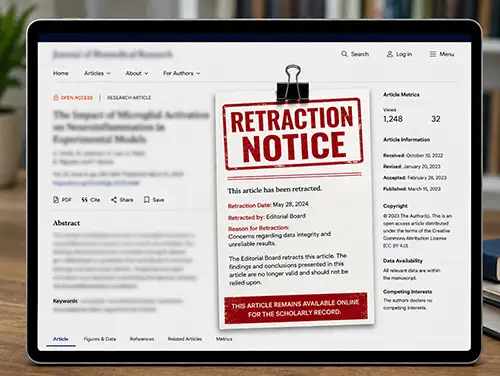
What’s Really Being Said? A Dialogue & Subtext Checklist
Last month, we kicked off our four-part series on drawing readers into your story and keeping them there. We talked about the first five pages and why a strong opening is really about earning reader trust. This month, we’re taking that idea one step further. Once...
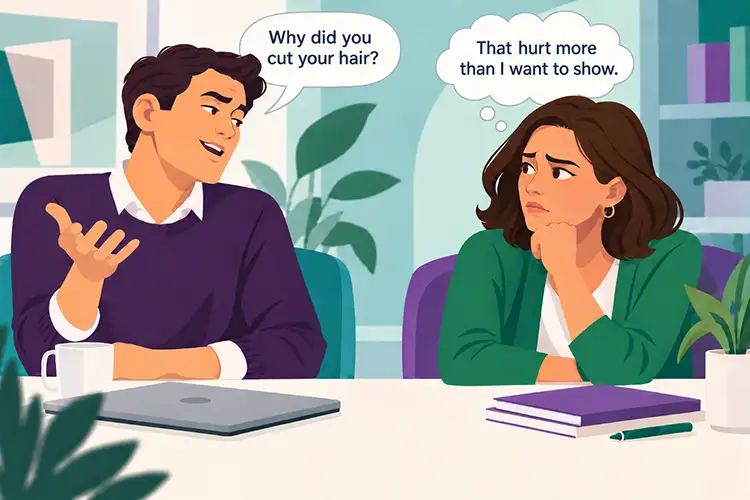
Automation in Peer Review: Where It Helps, and Where Humans Still Matter
With the current dramatic increases in both the number of prestigious scientific journals and the number of articles being submitted to those journals, editors must be on the lookout for new ways to combat peer reviewer fatigue. And these trends mean that it is...
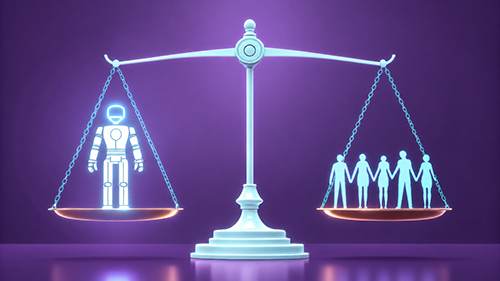
Is Blind Peer Review Still the Best Model for Scholarly Publishing?
Peer review is one of the cornerstones of scholarly publishing. Before research is accepted for publication, experts must assess its quality, originality, methodology, significance, and contribution to the field. Depending on the publisher or the subject matter,...

The Silent Water Cooler: Why Editorial Relationships Matter More Than Ever in Peer Review
Let’s talk about reviewer invitations. If you have spent any time working with scholarly journals and peer review lately, the following may sound very familiar to you. An email arrives from a journal you barely recognize. The greeting feels generic. The manuscript...
Building an Author Brand Beyond the Page: 4 Ways to Connect with Readers
Readers no longer want to know only your books. They want to know you. While an author’s main occupation is writing and publishing books, the books themselves should not be the only way authors engage with their readers. Authors should also visibly, directly engage...
From Pages to Products: How Authors Build Brands with Book Merchandise
Selling merchandise can be an effective marketing tool for an author’s book. An author can earn extra money, and readers can display their love of a particular book by wearing apparel related to the book, displaying artwork on their walls, or drinking out of a...

The First Five Pages: How to Hook Readers and Strengthen Your Novel’s Opening
This is what your opening is really supposed to accomplish This month, we're kicking off a new four-part series here at Technica Editorial about drawing readers into your story and keeping them there. Over the next few months, we'll be looking at some of the...

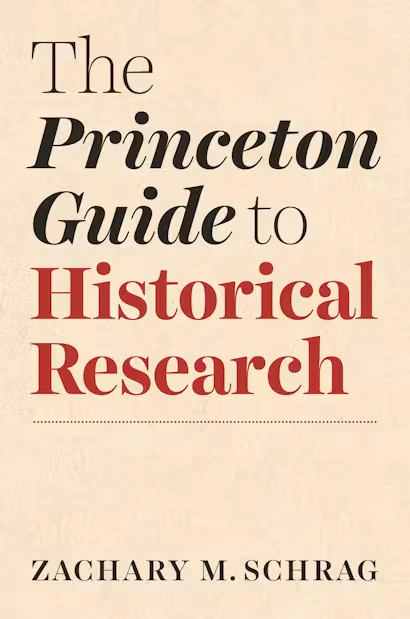
Book Review: The Princeton Guide to Historical Research by Zachary M. Schrag
“Researching history is like collecting stamps, sewing a quilt, solving a jigsaw puzzle, and reading a murder mystery at the same time. Like any human endeavor, it is at times difficult, boring, and frustrating. But when the research all comes together, it is...
A Broadway Reading List: Books on the Artists, Movements, and Stories That Shaped the Stage
Let’s get on with the show! Something Wonderful: Rodgers and Hammerstein's Broadway Revolution by Todd S. Purdum: Richard Rodgers & Oscar Hammerstein II became two of the most recognizable names in musical theater (at least) by helping redefine musical theater...