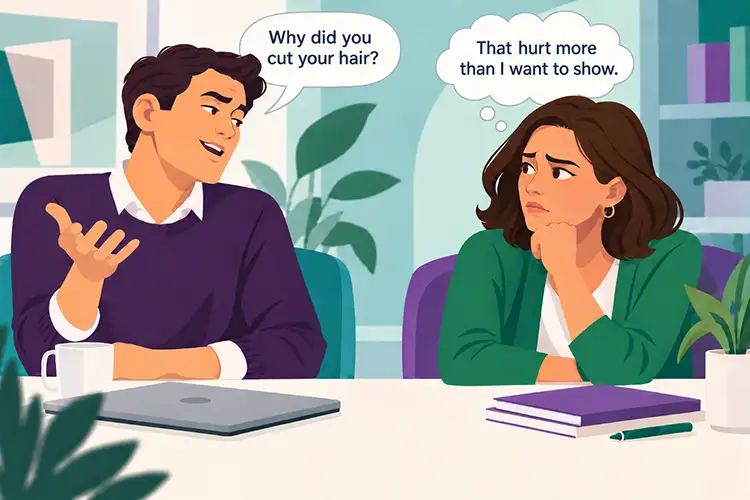
 Last month, we kicked off our four-part series on drawing readers into your story and keeping them there. We talked about the first five pages and why a strong opening is really about earning reader trust. This month, we’re taking that idea one step further. Once...
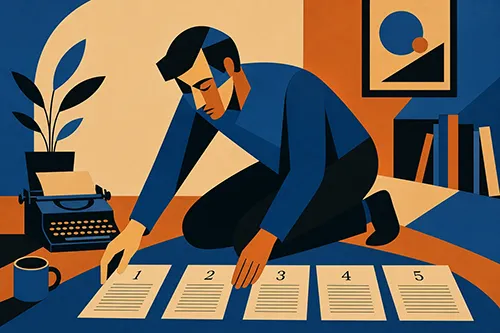 This is what your opening is really supposed to accomplish This month, we’re kicking off a new four-part series here at Technica Editorial about drawing readers into your story and keeping them there. Over the next few months, we’ll be looking at some of...
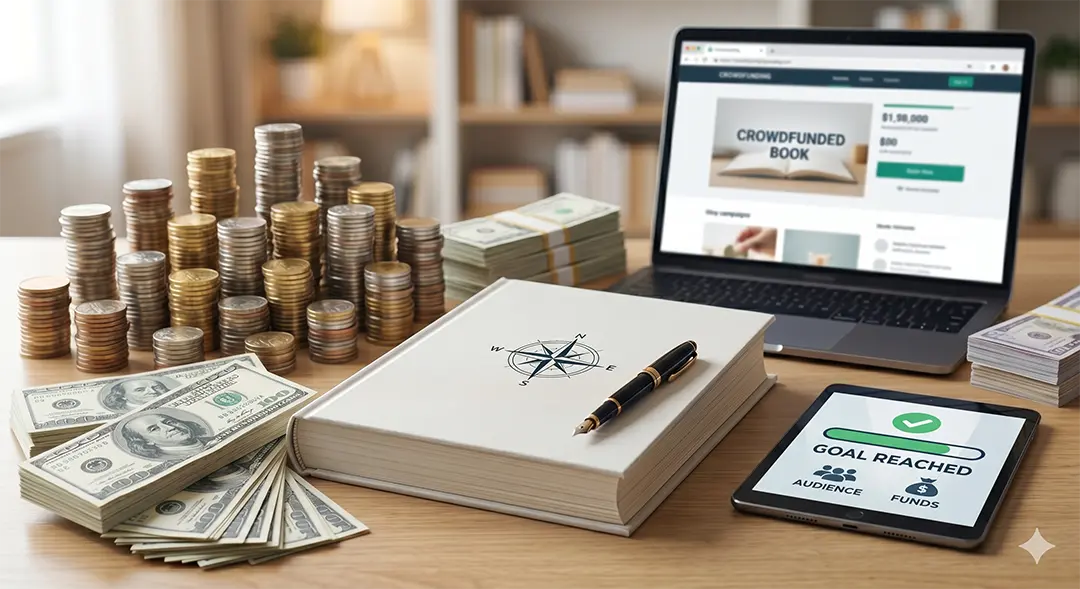 For independent authors, publishing a book often involves significant upfront costs—from editing and cover design to printing and marketing. In the traditional publishing model, a large or even mid-sized publisher would absorb many of these expenses, but when a writer...
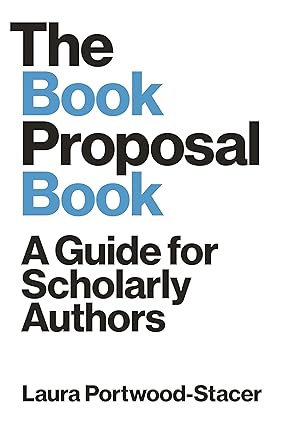 How to get started on getting started. Many scholars—whether newbies or old-hands with writer’s block—easily get stuck when the time comes to present their book pitch to scholarly publishers. Writing eloquently to make a good case for a book pitch is already...
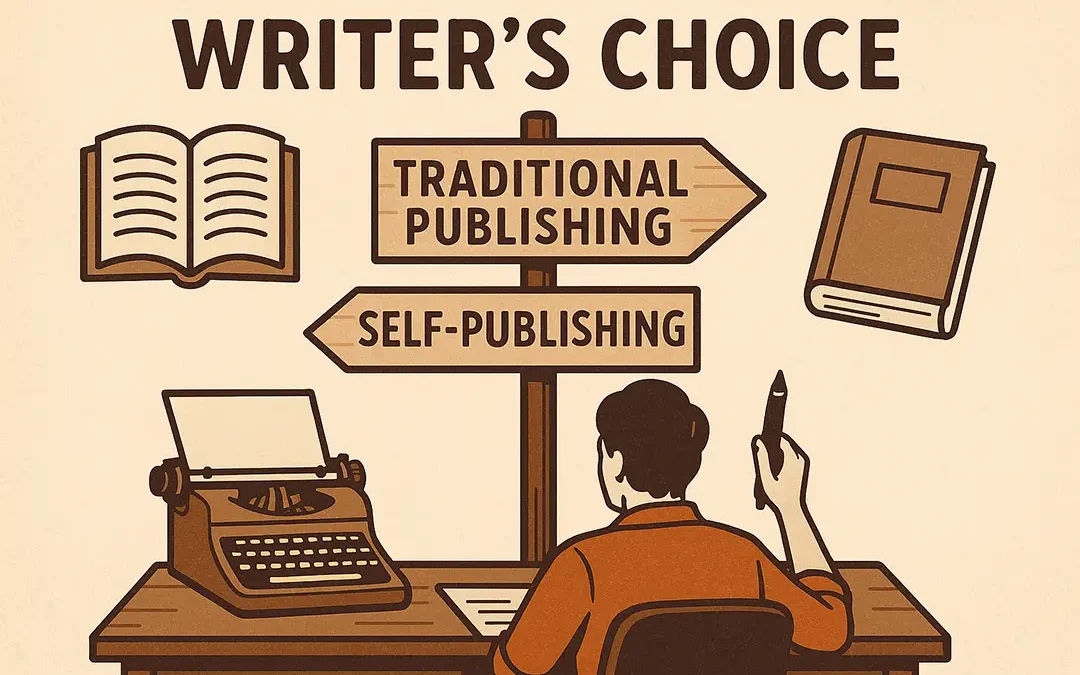 The number of self-published books with ISBNs has more than doubled over the past decade, and approximately one-third of all books sold in the US are self-published. Additionally, indie authors are gaining recognition, and some are gaining true fame with this...
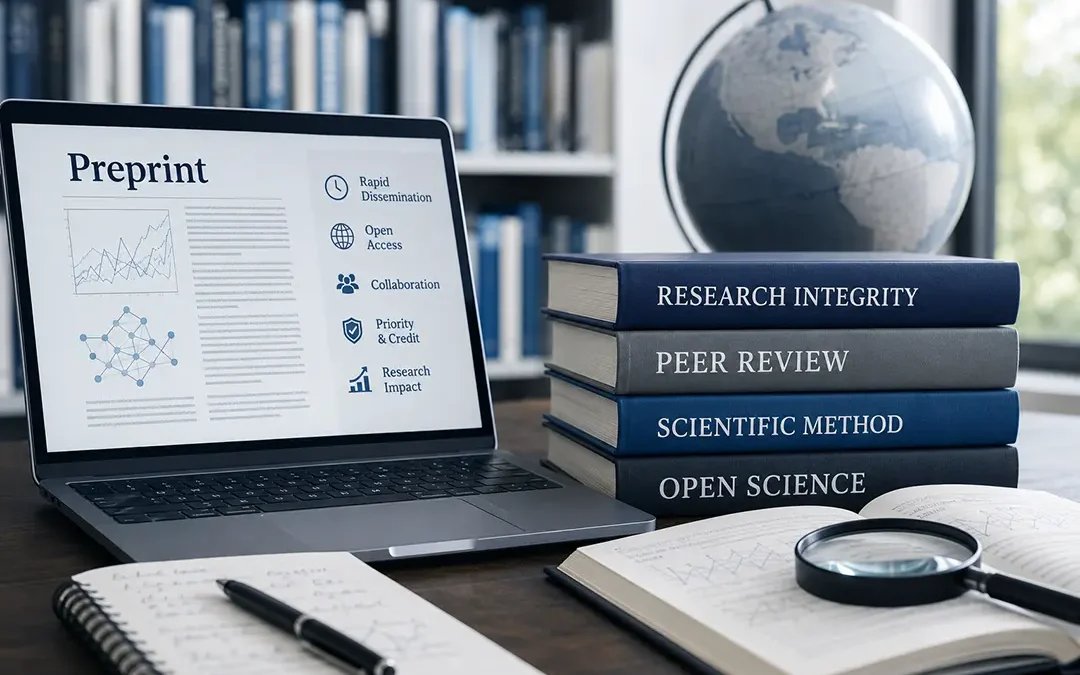 In the past, scientific publishing moved at the pace of glaciers—deliberate, weighty, and often frustratingly slow. And there was good reason for this. Peer review is an important part of scientific publishing that is necessary to weed out research that is not...