The dictionary definition of influencer is simply “a person or thing that influences another.” However, in today’s online world, influencer refers to “a person who has become well known through regular social media posts and is able to promote a product or service by recommending it or using it online.” In the literary world, authors can become influencers by consistently posting on social media about their books. The product or service they are promoting is that book as well as themselves.
The Influencer Landscape
Nowadays, many readers assess a book’s worth by an author’s social media presence, as that presence tells readers that the author exists. Therefore, readers are more willing to read an author’s work if the author has a presence on social media, and this willingness increases as an author’s social media presence increases.
Given the necessity of an online presence, many authors are increasingly connecting with their fans on TikTok (specifically the BookTok community), Twitter, and Instagram, inviting them to ask book-related questions and sharing their personal interests and other glimpse into their lives. Such fan interaction has the potential to increase book sales, as fans become more invested in authors and are more likely to purchase more books from those authors.
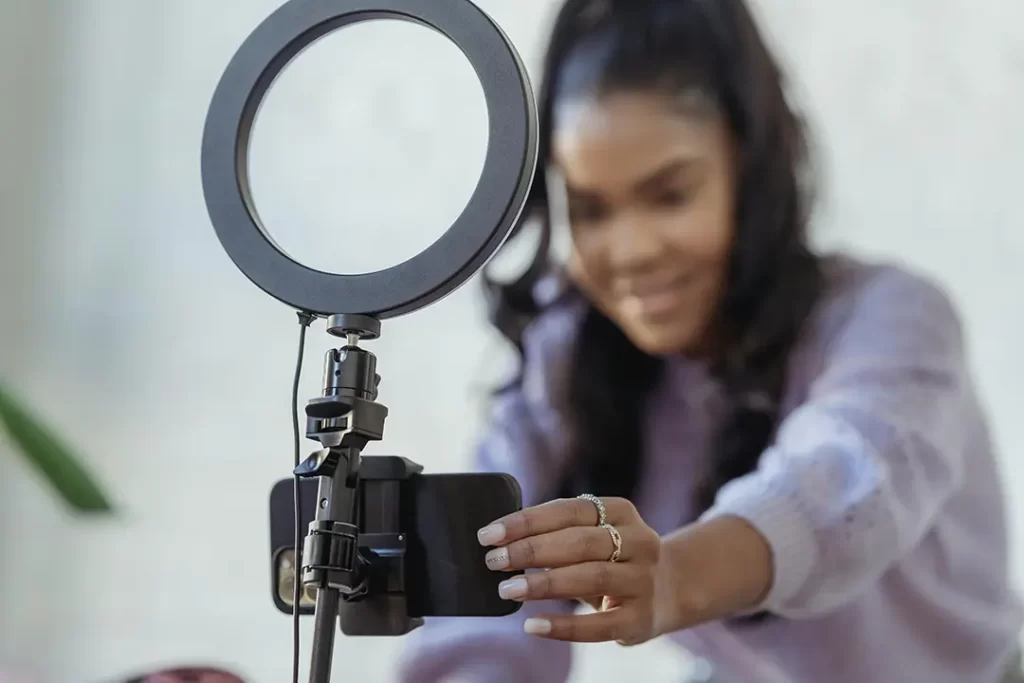
Influencer authors use social media in book marketing through such tactics as virtual Q&A sessions about the marketed book, as well as elaborate reveals of books and book covers (through short videos or fancy photographs).
How to Become an Influencer
But how can authors become influencers? A first step authors should take to build influencer status is reaching out to other authors, writers’ groups, and book groups on sites like Facebook and X. This includes following other authors’ pages or accounts, especially those that include the hashtag #followforfollow or otherwise indicate they will follow an author’s account if the author follows theirs. Authors should also like other authors’ content and review other authors’ books (if a personal schedule allots time for such reviewing).
In order to maximize exposure while minimizing wasted effort, authors should devote time and energy to the two main social media platforms that appear to draw most readers’ positive attention. On those platforms, authors should create posts that target their readers based on those readers’ interests (including books, movies, television, and music). In doing so, they should take care to stay on brand by posting primarily about their own books or books their target audience would like, rather than about something unrelated, such as TikTok dance trends. In time, authors can expand their content, but only after warming up their personal algorithm with targeted content. Furthermore, they should use the posts to gradually build a relationship with their target audience, rather than spamming readers with multiple posts in the hopes of guaranteeing attention (this tactic could come across as too aggressive or desperate). In other words, they should focus on connecting rather than selling.
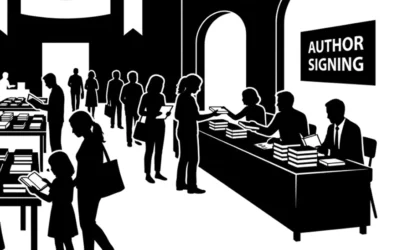
For authors represented by publishers, those publishers can promote the authors in their communities through local book readings and/or signings and can promote them more widely through press releases and author interviews. Such face-to-face interactions are important because humans are social creatures. The more directly authors connect with their readers, the more the readers will feel a connection to the authors. Independent and represented authors alike can also promote their books through other online influencers, provided both parties have a pre-existing relationship or the promoting author has enough of a following to have name recognition. Cold-calling (that is, reaching out to other influencers without advanced warning), can work, but is more effective if the promoting author has a large, established online presence.
Authors can be creative by building personal websites dedicated to promoting other authors or bringing together readers of a specific genre. It will help if the target groups are niche, such as Christian women authors or readers of military science fiction, because members of those groups will feel more appreciated than if the website targets a broadest-possible audience.
Opportunities and Challenges for Author Influencers
If authors are fortunate, elevated levels of publicity (either self-publicity or through a publisher) can lead to such opportunities as speaking engagements or advertising product brands (whether from non-literary companies such as self-help websites or more relevant companies such as online writing or reading tools like Scrivener or StoryGraph). In order to come across as authentic, however, authors should promote only products that align with their personal brand and that they themselves would use.
For authors who can afford it, personal brand agencies can help them coordinate post timing and number of posts, as well as consistency of messaging. For less money, though, such agencies can at least tell authors which two or three messages should be the focal point for their communication strategy, in order to become a specialized influencer.
There are challenges to reaching this level of influence, particularly standing out from a sea of other aspiring influencers. Especially for new authors, then, it is best to keep expectations realistic, whether in terms of book sales, post likes, or follower counts. And once authors do become influencers, the use of social media can unfortunately also be detrimental if fans strongly dislike several of an author’s posts (due to such content as racism, sexism, and other forms of perceived hate speech).
So, the ultimate key to becoming an influencer is to be authentic. Authors should demonstrate genuine passion for their books, genuinely write what they want (rather than simply what sells), and expression a genuine interest in their readers. If readers reciprocate authors’ passion for their books and share an interest in making a real connection, authors may be well on their way to becoming top influencers in the online literary landscape.
by Matt Wade