BLOG
Stay up to date with the events and knowledge that are shaping the publishing industry.
Why The Grant Writing Guide Is Essential Reading for New Scholars
It’s easier to get started on a project with a good start on getting started. Getting one foot in the door is crucial for anyone trying to make it into the guarded world of academia, a world historically shaped by exclusivity and discrimination, and grants are that...
When Is It Time to Hire an Editor? What Indie Authors Need to Know
As an author, making the decision to self-publish a book is a huge commitment, both in terms of time and resources. But making the decision to hire an editor for that project can be at least as big a commitment—maybe even more so. Although authors might need less...
Lit RPG: Is It the Next Big Genre in Fiction?
Merriam-Webster defines role-playing game as “an adventure game in which players advance through a series of battles or quests to gain experience, strength, and skill as part of a progressive narrative arc usually depicting the hero’s journey.” Lit RPG is short for...
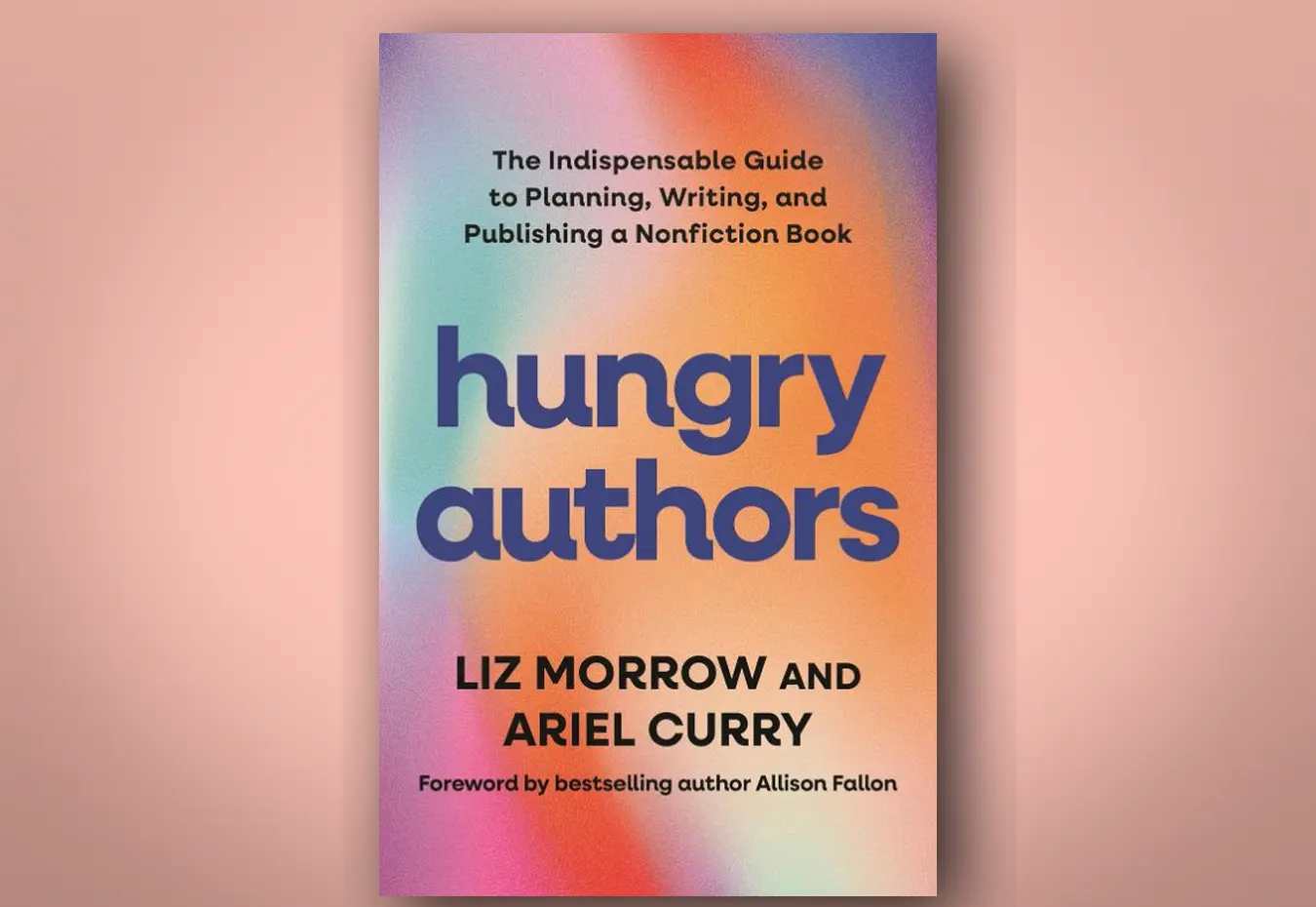
Book Review: Hungry Authors: The Indispensable Guide to Planning, Writing, and Publishing a Nonfiction Book
Nonfiction can take many forms, and forming nonfiction needs the right guide. If writing and finishing fiction is difficult, then writing nonfiction seems to be an even steeper uphill battle: the right topic that will engage readers, the necessary research and...
Why Publishing Still Needs Humans: The Limits of AI in 2026
Artificial intelligence (AI) has seemingly infiltrated many industries across the workplace, and publishing is no exception. From plagiarism checkers to reviewers using AI tools to double check the validity of manuscript data, AI has made its way into the arena,...
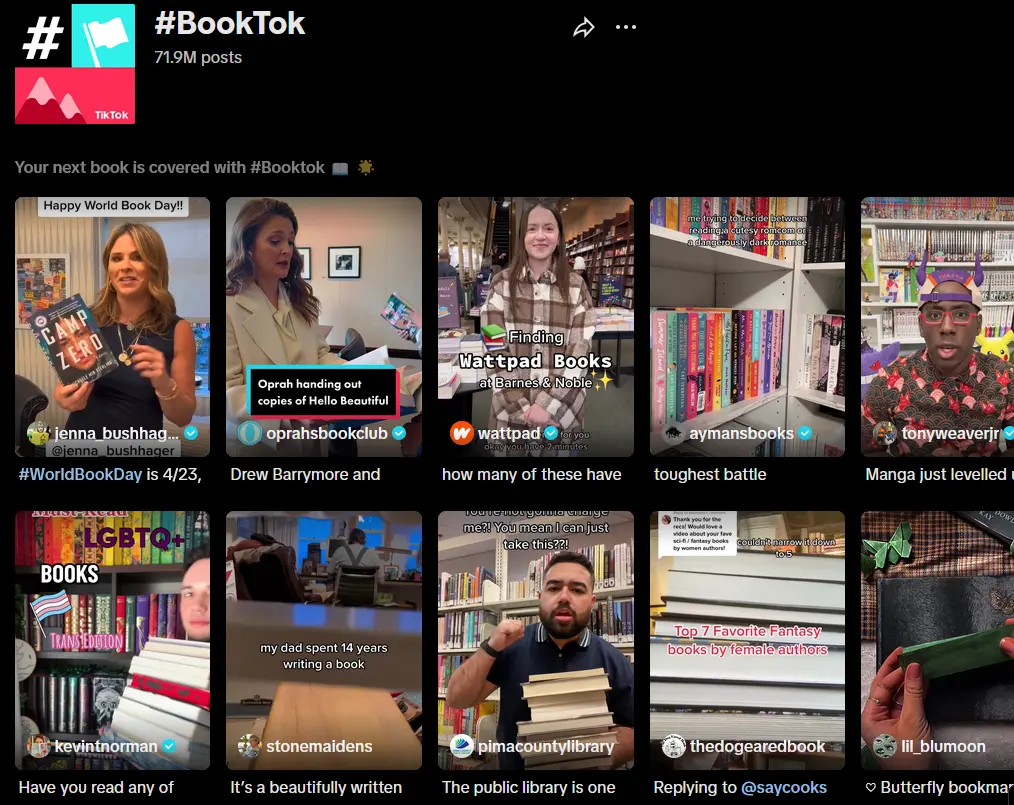
How BookTok Is Revolutionizing Publishing — and Why Industry’s Marketing Strategies Have Changed
As an elder millennial (yes, that’s my story and I’m sticking to it), I don’t usually spend too much time on TikTok. The social media short video app has seemingly become all the rage among the most recent generation (although knowing trends, this sentiment is...
Write a Professional Author Bio: Best Practices and Examples
The main purpose of an author biography is to inform the reader of an author's professional credentials and important previous books, so the reader views them as a trusted source of knowledge or entertainment (depending on whether the author writes scholarly...
Self-Publishing Trends for 2026: Uncovering the Future of Independent Authors
As we move into 2026, self-publishing is continuing to grow and evolve. Changing reader preferences are transforming the ways in which books are published, marketed, monetized, and consumed. From unique printed edges and interactive formats to innovative tools like...
Unlocking the Power of Audiobooks in Scholarly Communication
In recent years, audiobooks have made huge gains in the publishing industry. In 2024, it was estimated that Audible had a net revenue of $440 million. This rise in popularity now includes academic publishing. While scholarly books have traditionally been offered in...

Plagiarism and ChatGPT: What Every Author Needs to Know
For most authors, using ChatGPT might almost seem like it’s not even a choice anymore—it’s practically mandatory. It cuts down significantly on the amount of time that it takes to complete a book project—meaning those who don’t use it are going to fall seriously...