
We may still be a few decades away from HAL 9000 and the Terminator wreaking havoc on the human
race (fingers crossed!), but AI continues to infiltrate and change the publishing industry. We’ve already written
about how AI in the form of ChatGPT is changing all the rules for manuscript writing in every realm of publishing,
but now AI is also changing the way we search for published materials.

Google, the most used search engine in the United States, plans to change the parameters of its search
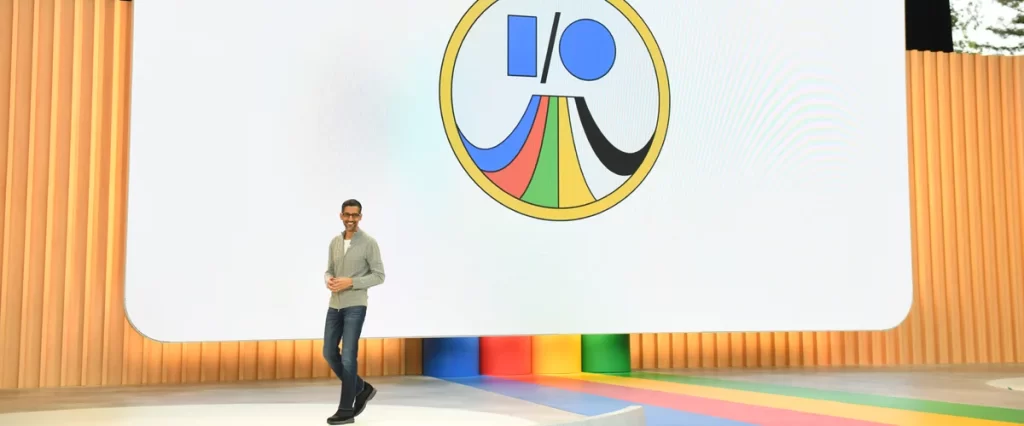
function. With the release of I/O 2023, Google searches will now implement an AI-powered conversational mode
for searches. The conversational mode will now read through the open web results on a search topic and present
to users “suggested next steps when conducting a search and display an AI-powered snapshot of key information to
consider, with links to dig deeper.” This is different from the traditional search function, which would simply provide
a list of articles and webpages related to the search words for users to peruse through themselves.
For some users, this new AI conversational mode could be seen as an improvement. Tech report Matt
Novak tested the search function for Forbes and searched using the question, “What’s better for a family with kids
under 3 and dog, Bryce Canyon or Arches?” His results included a conversational answer that directly answered the
question by addressing the two parks’ suitability for dogs and kids. It then included a link to ask follow-up questions
and even suggested a few to consider in additional searches.
The problem with this change in search functionality is how it affects referral traffic for publishers. Online
publishers generate most of their referral traffic from search result clicks. If Google Search starts compiling answers
from content on web pages, users will have less of a reason to click on search results generating less web traffic for
many publishers. Google developers say that the AI conversational mode presents the webpages where answers
are compiled from at the bottom of the new search box as a way of citing their sources. However, Matt Novak
counters that this is an empty gesture and similar to the sources being included at the bottom of a Wikipedia page
(when was the last time you actually clicked on one of those?).
The fear among tech writers is that web publishers who currently offer their content for free through ad
support will have to go back behind a paywall as they lose ad revenue from depressed clicks. And some publishers
might not even survive with a paywall. As Novak says, “Google is about to drop the bomb that will wipe out
countless websites. We just don’t know when it’s going to happen yet. And I don’t know that any of our nuclear
shelters—subscriptions and Facebook-driven traffic—will do any good.”
This new search function hasn’t fully been rolled out just yet. Google is currently rolling out the search
function on a trial basis, likely to test its viability. They haven’t announced when or if it will take over as the primary
search functionality on its website. What do you think of the new potential AI search functionality? Let us know in
the comments or on Twitter.
By: Chris Moffitt
Chris is a Managing Editor at Technica Editorial