For independent authors, publishing a book often involves significant upfront costs—from editing and cover design to printing and marketing. In the traditional publishing model, a large or even mid-sized publisher would absorb many of these expenses, but when a writer goes it alone, they frequently need to finance projects themselves. Enter crowdfunding. Crowdfunding is not just for politicians and charities anymore. By gathering small contributions from a large number of supporters, authors can fund their books while simultaneously building an engaged audience for future material.
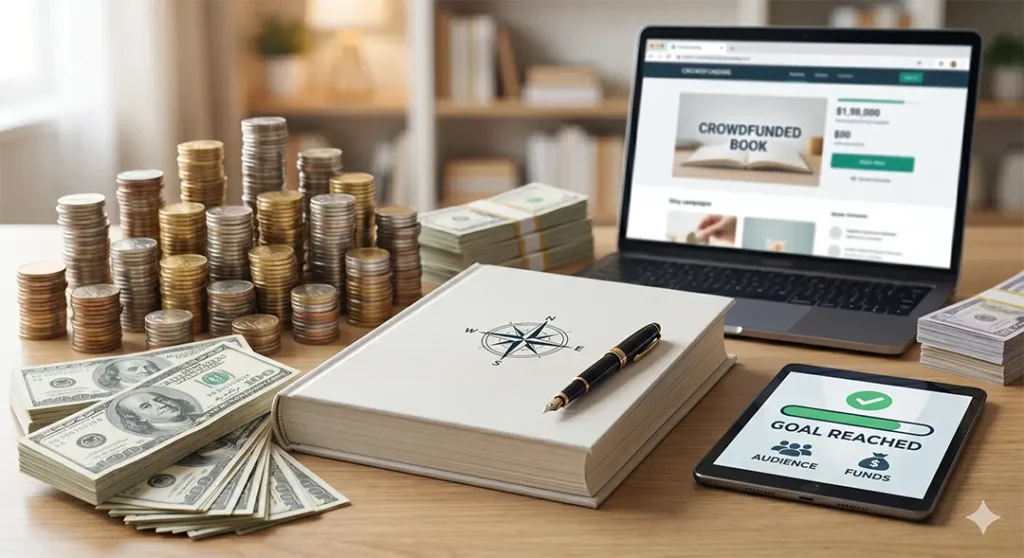
Platforms like Kickstarter, Indiegogo, and Patreon have enabled writers to turn readers into early backers, essentially transforming their book launches into community-driven events. When done well, crowdfunding can generate thousands of dollars before a book even reaches the market. However, successful campaigns rarely happen by accident. They require planning, audience-building, and clear communication.
Here are just a few of the strategies independent authors can use to crowdfund their books successfully.
1. Build an Audience Before Launch
It seems obvious, but one of the most common mistakes new crowdfunders make is launching a campaign without an existing audience. While friends and family may provide initial support, successful campaigns typically require reaching readers beyond an author’s close inner circle. Authors should connect with communities interested in their genre. You can find these communities through online forums, social media groups, or niche blogs.
An author should start building an audience months before launching a campaign. Some strategies include:
- Creating an email newsletter for potential readers
- Posting regularly on social media about your writing journey
- Participating in genre-specific communities
- Sharing sample chapters or behind-the-scenes content
By the time your crowdfunding campaign launches, you want a group of readers who already feel invested in your book.
2. Choose the Right Crowdfunding Platform
Different platforms serve different goals. Independent authors should choose one that fits their project and audience.
For example:
- Kickstarter is the most widely used platform for creative projects and uses an all-or-nothing funding model. Meaning if you set too high of a goal and don’t reach it, you don’t collect any funds.
- Indiegogo is slightly less widely used than Kickstarter, but it allows flexible funding, meaning you can keep the money even if you don’t hit your goal.
- Patreon works well for authors who publish ongoing content and want recurring monthly support from readers. Some authors use Patreon to help with their community building by dropping teasers or short stories in preparation for a larger book launch.
- BackerKit specialize in creative campaigns and provide tools for managing backers and fulfillment.
Think carefully about your project timeline and funding needs before selecting a platform.
3. Craft a Compelling Campaign Page
We always say don’t judge a book by its cover, but who are we kidding. Your campaign page is essentially a sales page for your book, and the look of it is very important. It must clearly explain what the book is about, why it matters, and why people should support it.
Effective campaign pages usually include:
- A concise description of the book
- Information about the author (audiences love a person with a story)
- A breakdown of how the funds will be used
- Visual elements such as cover art, illustrations, or concept sketches
- A short video pitch introducing the project
Many crowdfunding experts recommend delivering the key message of your campaign within the first 30 seconds of your video pitch (especially now in the TikTok era), making it immediately clear what the project is and why it deserves support.
4. Offer Attractive Backer Rewards
As noted before, crowdfunding is as much about fundraising as it is community building, and the community building works best when supporters receive meaningful rewards in exchange for their pledges. In most campaigns, backers are not simply donating—they are preordering the book or purchasing special editions.
Common reward tiers include:
- Digital copy of the book
- Signed paperback or hardcover
- Limited edition versions
- Early access to chapters or bonus stories
- Personalized acknowledgments in the book
- Exclusive merchandise such as bookmarks or art prints
Creative reward tiers can increase engagement and encourage higher pledge levels.
5. Set a Realistic Funding Goal
Setting the right funding target is crucial, especially if you are using Kickstarter for your campaign. If the goal is too high, it may scare away potential backers. If it is too low, you may struggle to cover production costs.
Start by calculating the real expenses involved in publishing your book, including:
- Editing (we can help with that!)
- Cover design
- Formatting
- Printing and shipping
- Marketing
- Platform fees
Some authors treat crowdfunding as proof of concept: if readers are willing to preorder the book, it validates the idea and demonstrates genuine interest in the project.
6. Promote Consistently During the Campaign
Launching a campaign is only the beginning. Active promotion throughout the campaign period is essential to maintaining momentum and effectively market yourself.
Effective promotion strategies include:
- Posting regular updates on social media
- Sending progress updates to your email list
- Reaching out to bloggers or podcast hosts in your genre to help with cross promotion
- Running giveaways or contests for backers
- Sharing milestones as your campaign progresses
Content marketing—such as blog posts, interviews, or guest articles—can also help attract new readers without relying solely on traditional advertising.
7. Collaborate With Other Authors
Collaboration can significantly expand your reach. We noted reaching out to bloggers or podcast hosts in the promotion section, but by working with other writers in your genre, you can tap into each other’s audiences.
For example, you might:
- Cross-promote campaigns through newsletters
- Participate in multi-author promotional events
- Share each other’s campaigns on social media
- Offer bundled rewards featuring multiple books
Supporting other creators’ campaigns can also help build goodwill within the crowdfunding community and lead to reciprocal promotion. Indie authors can use sites like Story Bundle or PubShare to create collaborative book bundles with other authors in their genre.
8. Maintain Transparency and Communication
Backers want to feel confident that their money is being used responsibly. Throughout your campaign—and even after it ends—communication is essential.
Authors should provide regular updates on:
- Writing progress
- Editing milestones
- Printing timelines
- Shipping schedules
Transparency builds trust and helps maintain a positive relationship with your supporters.
9. Deliver a Memorable Backer Experience
The crowdfunding campaign doesn’t end when funding is complete. In fact, fulfillment and post-campaign engagement are critical for long-term success.
Authors who deliver a great backer experience often:
- Provide frequent updates on production progress
- Send personalized thank-you messages
- Include bonus materials or surprises with rewards
- Invite backers to get a first look at future projects
Satisfied backers are far more likely to support your next campaign.
Conclusion
Crowdfunding offers independent authors a unique opportunity to finance their books while building a dedicated community of readers. Instead of relying solely on traditional publishers or personal funds, writers can involve their audience directly in bringing a book to life and make them feel like they are a part of the writing process.
However, success requires preparation. Building an audience before launch, designing an engaging campaign, offering compelling rewards, and maintaining open communication with supporters all play crucial roles. When executed strategically, crowdfunding can transform a book from a solitary creative project into a collaborative journey between author and reader.
For indie authors willing to invest time in planning and community-building, crowdfunding isn’t just a funding method—it’s a powerful way to launch a book and grow a loyal readership.