The number of self-published books with ISBNs has more than doubled over the past decade, and approximately one-third of all books sold in the US are self-published. Additionally, indie authors are gaining recognition, and some are gaining true fame with this commercial success. Still, the most famous and commercially successful authors remain those who are traditionally published through one of the major book publishers. But rather than competing with traditional publishers, indie authors would be better served by collaborating with them.
The Ideal Working Relationship Between Indie Authors and Traditional Publishers
The key to any publishing arrangement between an independent author and a traditional publisher is that the author is the driving force—setting the terms under which the traditional publisher brings the indie author’s work to market. Authors should retain control over the creative direction of their book. This includes setting expectations and requirements regarding the publishing process. Additionally, authors should have the opportunity to provide input on important aspects such as the book title, cover design, tone of the back cover summary, and the tone of the press and marketing campaign materials (ultimately, though, a joint marketing campaign with the traditional publisher is advantageous). Authors may decide to allow traditional publishing houses to publish paperback and audiobook versions of their books while fully self-publishing their eBooks. Alternatively, some traditional publishers allow authors to retain digital AND audio rights while partnering only on print distribution.
Types of Publishing Arrangements
Authors can also choose to work with a hybrid publisher. In this circumstance, the author maintains complete creative control over their book while paying for the publisher to oversee distribution and marketing. However, it is recommended that authors thoroughly investigate the reputation and publishing model of the hybrid publisher, as some are more beneficial than others. Some hybrid publishers may charge a fee so high that it’s too high to publish, while others might require that authors sell a set threshold of books before they can receive royalties.
An even better arrangement is an indie publishing partnership, in which an indie author collaborates with a traditional publisher to create, develop, and distribute a book. The partnership begins once a story is ready to be published or only needs some polishing, so not much effort is spent on editing. In this arrangement, both parties share creative input, costs, publishing responsibilities, and profits. Authors manage the content, initial marketing, and feedback to publishers, while publishers handle technical production, distribution, and the placement of books in bookstores and online platforms. However, authors and publishers collaborate on marketing initiatives, including social media campaigns, email newsletters, and website promotions. Indie publishing partnerships also offer a higher royalty share (often 40-70%) than under regular contracts between authors and traditional publishers, and authors retain publishing rights and creative control. As with hybrid publishers, though, authors should carefully investigate any partnership (by reading reviews, checking author testimonials, and having a lawyer review the contract) since financial arrangements vary. Some of these partnerships offer an equal share of production costs, while others have the publisher invest more money up front in exchange for a higher royalty split in the publisher’s favor. In some cases, authors pay for specific services upfront to reduce ongoing costs, while in other cases, the authors may share profits with the publishers once expenses are recouped. Additionally, prior to entering a partnership, authors should ask a publisher for examples of past work and look at the publisher’s record of marketing success, to gauge whether their own books might sell well. Other considerations include communication style, publisher portfolio (what type of books they have supported, so you know whether your book is a good fit), and publishing goals, whether expansive distribution or targeted marketing to a niche audience.
Advice on Retaining the Most Income in Traditional Publishing
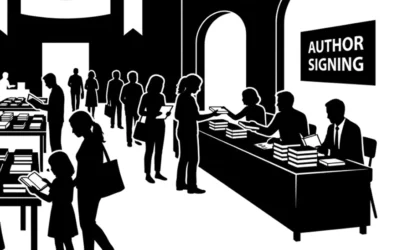
If an indie author enters a traditional contract with a publisher, they should fight to maintain control of their income, and not surrender a large commission to a literary agent at the publisher, particularly if the commission is on the author’s original self-published work. When reviewing publishing contracts, an author should pay close attention to pricing, licensing, royalties, and reversion-of-rights clauses to ensure they are being paid fairly. Financial considerations are noteworthy because self-publishing is expensive and time-consuming: indie authors must edit, design, and market on their own, or pay someone to perform any or all of these tasks. In this respect, collaborating with a traditional publisher is beneficial because the publisher can more easily get an author’s book into bookstores, online platforms, and libraries, and can also arrange marketing events such as book launches and author signings (thus increasing the chance of potential sales). Usually, self-published authors can only sell their books online or directly to consumers at book fairs and other events.
Retaining Rights to Self-Published Books
An indie author should coordinate with a traditional publisher to allow the author to self-publish certain books when it benefits both the author and the book but publish through the traditional publisher when it benefits both. In the case of a book series, for example, if a publisher drops the series midway through a contract, the author should be free to self- publish future books in that series while the publisher retains the rights to previously published books. Authors should reassure traditional publishers that it is ultimately beneficial for authors to simultaneously self-publish and publish through a publisher. By publishing more books, authors gain more readers, and more readers help the traditional publisher sell more of the author’s books, for which they control the rights.
Conclusion: Equal Partnership is the Best Partnership
Ultimately, authors should emphasize that they want to be seen and treated as equal partners in a publishing agreement, rather than simply content providers. In practice, this means authors should collaborate closely with editors throughout every stage of production—editing, formatting, and cover design. It is essential that either the author or the editor serves as a liaison with the publisher, ensuring a cohesive and streamlined process. Alternatively, both authors and editors can be equally involved in all communications with the publisher. To find out more about how Technica Editorial collaborates with indie authors to publish their books, contact us.
By Matt Wade