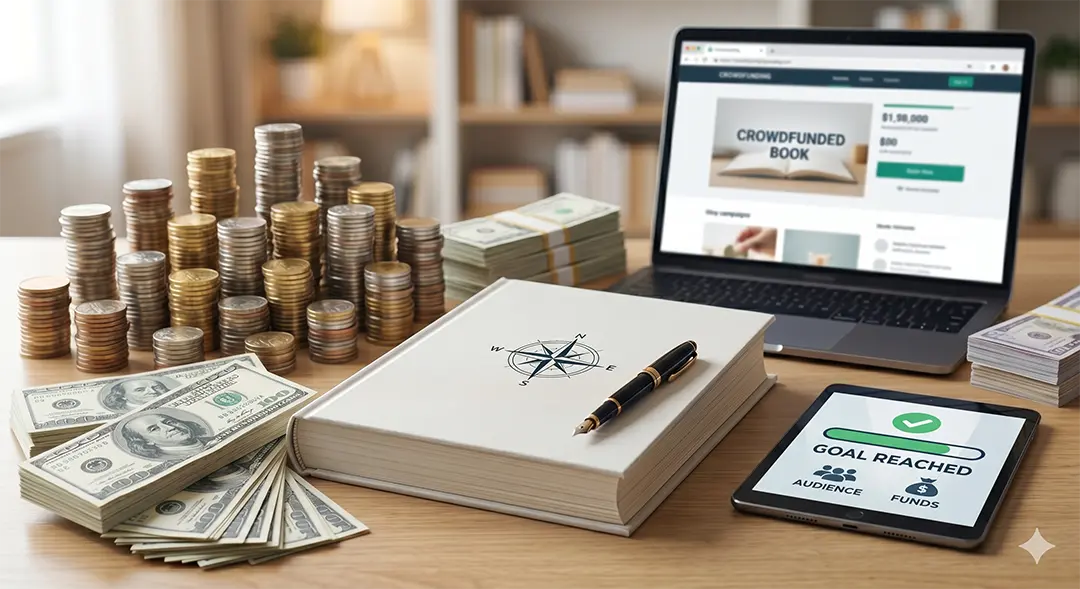
 For independent authors, publishing a book often involves significant upfront costs—from editing and cover design to printing and marketing. In the traditional publishing model, a large or even mid-sized publisher would absorb many of these expenses, but when a writer...
 How to get started on getting started. Many scholars—whether newbies or old-hands with writer’s block—easily get stuck when the time comes to present their book pitch to scholarly publishers. Writing eloquently to make a good case for a book pitch is already...
 For much of publishing history, success was defined by the “frontlist”—the shiny parade of new releases that arrived each season with marketing fanfare and bestseller ambitions. Backlist books—titles published more than a year or two ago—were often treated like quiet...
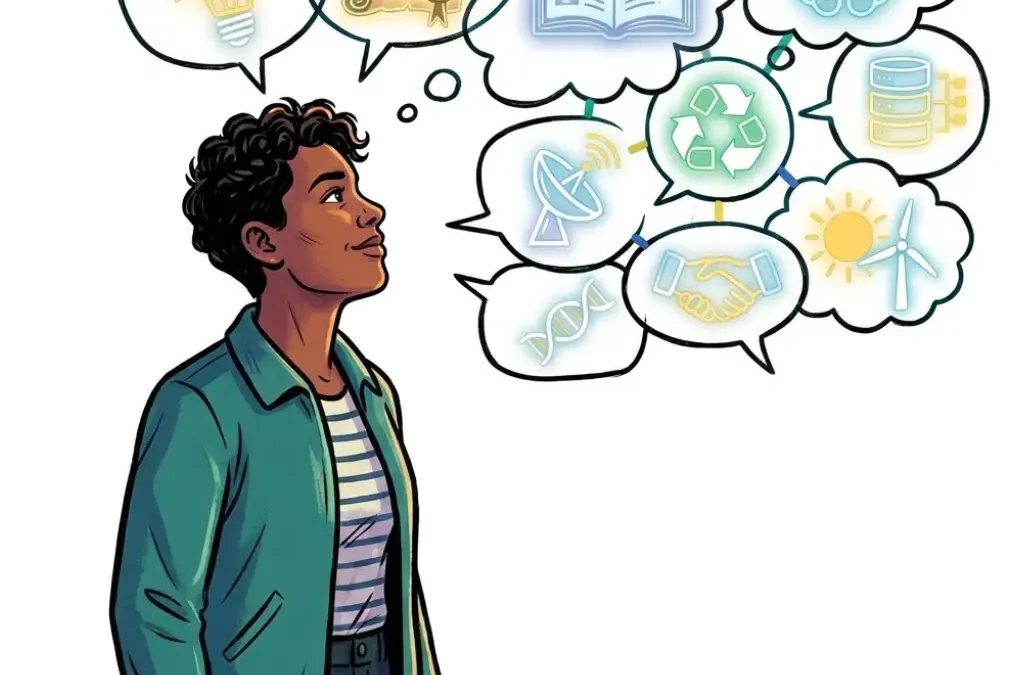 As we enter the fifth month of 2026, now feels like a good time to consider what we can expect to see in scholarly publishing throughout the remainder of the year. To begin making predictions for a new year, it is always helpful to take a minute and reflect on...
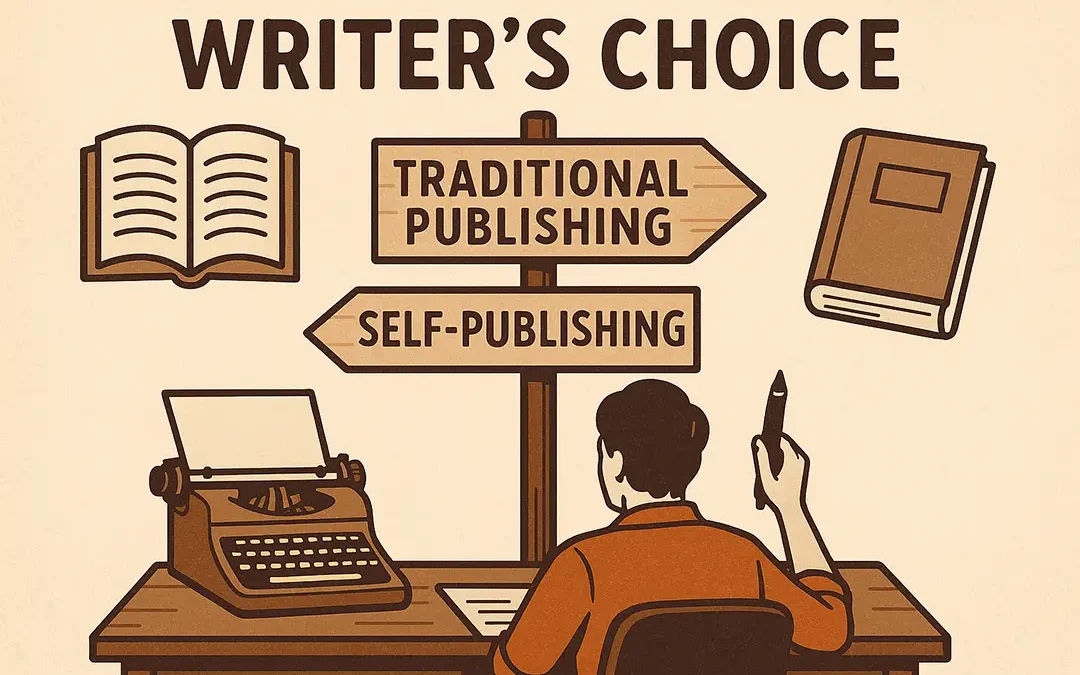 The number of self-published books with ISBNs has more than doubled over the past decade, and approximately one-third of all books sold in the US are self-published. Additionally, indie authors are gaining recognition, and some are gaining true fame with this...
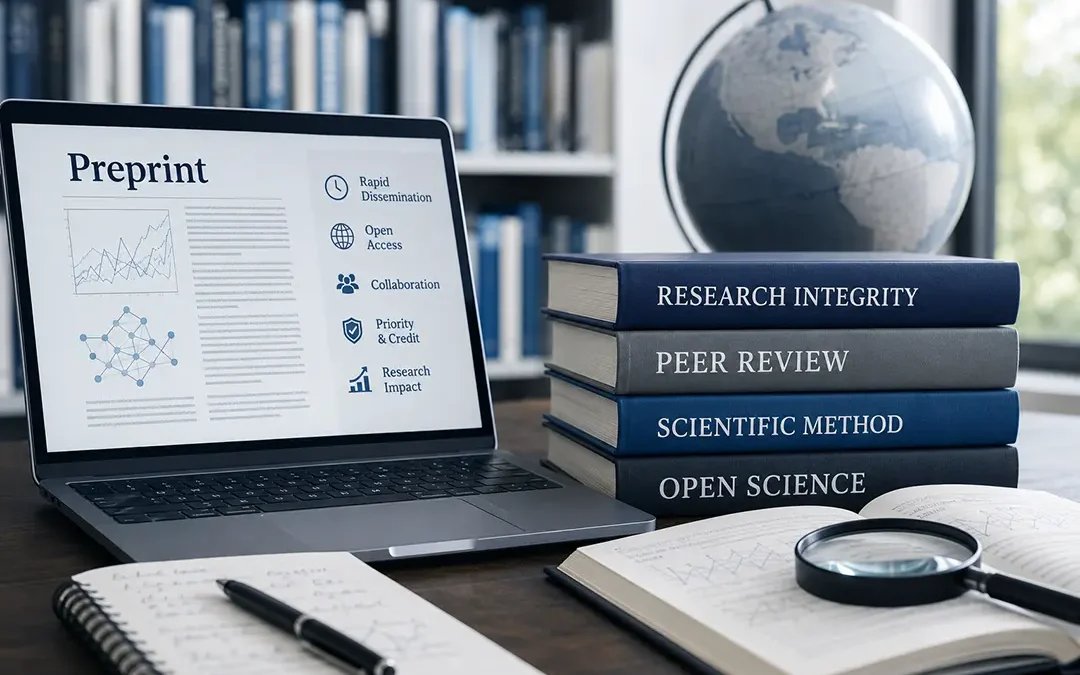 In the past, scientific publishing moved at the pace of glaciers—deliberate, weighty, and often frustratingly slow. And there was good reason for this. Peer review is an important part of scientific publishing that is necessary to weed out research that is not...