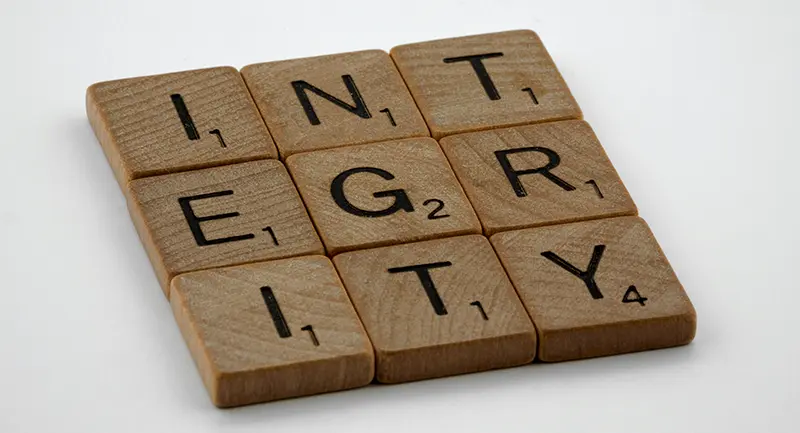
 The peer review process, by nature, is designed to be free of conflict of interest—that is, the reviewers should be unbiased when it comes to the authors whose work they are evaluating. True objectivity, however, can be difficult to obtain, particularly if the review...
 AI has become baked into the tools researchers and publishers use to share, measure, and amplify scholarship. You’re probably tired of hearing us talk about AI. From auto-generated tweet threads summarizing new manuscripts to algorithms that aggregate research to the...
 Choosing the Right Platforms to Promote Your Writing As a writer, what platforms are you using to promote your work? As an editor and a small-business person, I am always exploring the best ways to promote our editorial services and engage with clients. It can feel...
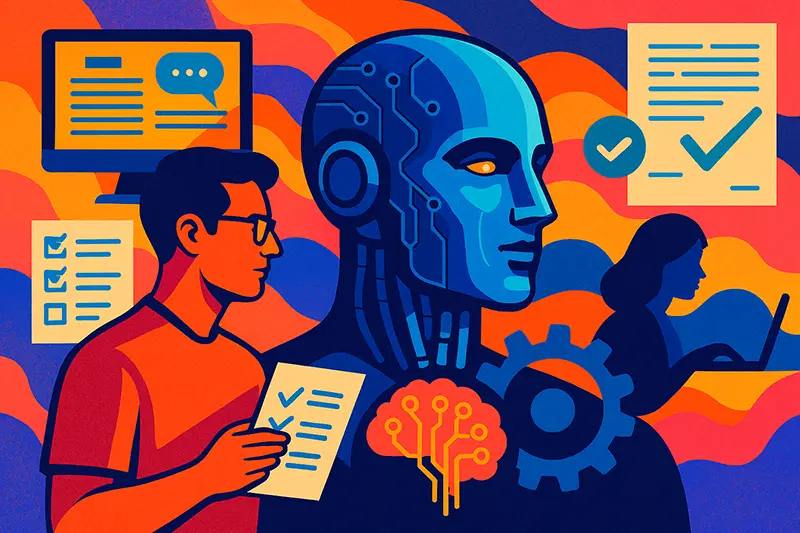 Currently, most journals require at least two peer reviewers per manuscript. While specific criteria vary per publisher, a core requirement for reviewers is that they are expected to have subject-matter expertise that is relevant to the manuscript in which they are...
 In a rapidly evolving academic landscape (and political landscape), conversations surrounding diversity, equity, and inclusion (DEI) have become important and somewhat contentious. While we previously noted how some academic publishers and groups were scrubbing...
 I’ve never been much of a fan of nonfiction until I discovered the world of the University Press. And it is easy to overlook the quiet power behind some of the most thoughtful and transformative books, published by university presses. The University Press isn’t just...