Self-publishing authors need to learn how to attract new customers through different channels.
E-readers, library apps like Libby, and other similar formats target readers who want to pick up a book but can’t always access a physical one. Independent bookstores are an increasing refuge for the community and an alternative from forces such as Amazon. But when there are millions of books coming from major publishers like HarperCollins and Penguin, and indie bookstores often have less physical space than the sites of chains like Barnes & Noble, how do self-publishing authors get their foot in the door?

The good news is that there are several book aggregators online, available to help self-published authors easily get their words out virtually. The bad news is that although these providers will cover distribution through a large spread of digital markets, they won’t necessarily go to all individual retail publishers. Many ebook aggregators will offer features such as sales reports and analytics, conversion and formatting, and a certain amount of library distribution. Draft2Digital distributes ebooks without requiring paying for services. Instead, it takes 10% of the retail price on every sale in addition to royalties, on channels including but not limited to OverDrive, cloudLibrary, and Kobo. Many other aggregators require a paid plan for factors such as authors publishing above a certain number of books, or else a distribution fee. Some examples of other aggregators are StreetLib, XinXii, and PublishDrive. All aggregators will help in getting self-published authors through to various ebook markets, including multiple libraries’ digital collection.
OverDrive already has a wide-ranging network ready to reach readers. Major OverDrive publishing partners currently include HarperCollins Publishers, Marvel, and Blackstone Publishing (Penguin terminated its contract with OverDrive in 2012). OverDrive is the leading distributor of ebooks to libraries and schools, with their apps promoting usage. Libraries of all sorts use OverDrive’s Libby app to help their consumers with ebook access; readers can synch up to their libraries using their location and their library card number(s), read across multiple devices, and even read offline. Sora and TeachingBooks are geared toward schools and students between certain grade levels.
Baker & Taylor, the largest supplier of library content in the U.S., developed their own counterpart to Libby with their app, Boundless. This app’s features include reading programs and challenges, age-based user profiles, and note taking.
Libraries, ebook or physical, stock books in readiness for their consumers, and it’s important for authors to request that their self-published books be featured on their library’s ebook collection. A certain amount of book promotions to interest library readers will also be helpful, and many ebook aggregators have tutorials or plans to help authors with promotions in these venues.
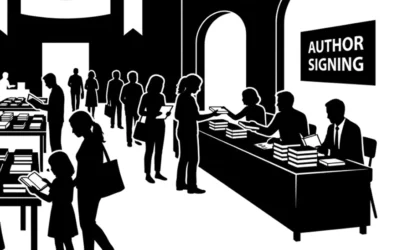
Independent bookstores need to sell books that they’re sure will make money, and that does make it an uphill battle for self-publishing authors. Amazon can sell anything, and when Amazon is also the publisher, independent bookstores are not inclined to buy from their greatest rival. Libraries require self-publishing authors to be engaged with them in order to start stocking their books, and independent bookstores are in the same mold: they require community participation, and so as a member of the community, the author needs to give back by participating at the bookstore and being a valuable customer. The author must be their own salesperson and marketer, with a quality project that’s easy to identify and categorize.
When independent bookstores are taking major chances on self-published books, they need to have the option of returning books if they’re not making a profit; if they’re not selling, the books will be returned to their source. Finding a good way to distribute print books, when bookstores generally buy from wholesalers, is very important. Aggregators like IngramSpark will help provide the foot-in-the-door access that self-publishing authors need for independent bookstores.
It seems easy to self-publish today, so now the challenge is finding ways of bringing these books to larger audiences. Self-publishing authors are going to need to be responsible for self-promotion, and all publishers need to know about the digital formats and markets now existing. Thankfully, there are plenty of resources that can help in planning and executing the most effective way of marketing and releasing content, and knowing and understanding these resources is the first step in getting books out to the public—not just as “available”, but accessible.
By Grace Dietz
Grace is an Editorial Assistant at Technica Editorial
References:
https://www.baker-taylor.com/publisher-partner
https://www.ingramspark.com/blog/how-to-sell-your-book-to-bookstores
https://www.publishaprofitablebook.com/blog/getting-your-self-published-book-into-bookstores
https://publishdrive.com/top-book-aggregators.html
https://kindlepreneur.com/smashwords-vs-draft2digital
https://publishdrive.com/how-to-get-your-books-into-libraries.html