Book Review
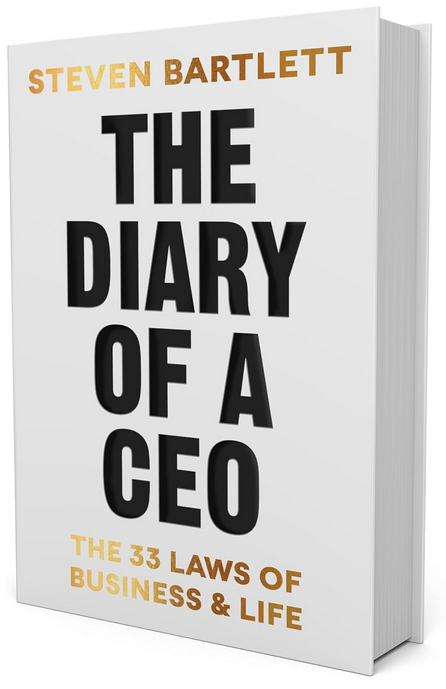
We are excited to share an inspiring book with you: The Diary of a CEO by Steven Bartlett. While it’s not geared toward writers, we think Bartlett’s book is applicable to all creatives. He shares tons of valuable lessons about creativity, consistency, failure, and personal growth—all of which can be applied to a writer’s journey. We found Bartlett’s reflections to be insightful and surprisingly relevant to the publishing world. We highly recommend it for authors working at navigating the highs and lows of the creative life (which is all of us, right?!).
Our Big Takeaways
Each chapter of The Diary of a CEO feels incredibly personal and Bartlett’s style is very accessible. He writes with honesty, reflections, and best of all, he embraces imperfection. Every author, wherever they are on their journey, can gain insight from his lessons. Here are some of our big takeaways:
Consistency is Key
Bartlett emphasizes that success comes from showing up daily—even when you don’t want to, or when things feel tough. This is so applicable to anyone in a creative field. Whether you’re in the midst of organizing your research, drafting a messy first draft, or struggling through revisions, the act of showing up every day can help you build momentum and confidence.
Fail Forward because it is Part of the Process
Bartlett shares quite a few of his personal failures. We loved seeing how he reframed his failures as “learning opportunities”. The publishing world is full of rejection (i.e., agents, editors, and readers). Bartlett reminds us that failure isn’t the end—it’s a step toward growth. Yes!
Authenticity Matters
Finding connections to other books we love is always fun. In The Diary of a CEO, Bartlett shares how his successes have come from his willingness to be vulnerable and authentic. This reminded us of Stories that Stick, by Kendra Hall, which is all about the power of storytelling. It can be pretty easy for writers to get caught up in trends or to try to emulate others. Bartlett reminds us to tell stories OUR stories—ones that only we can tell in order to bring our authentic voice to the page.
Find Your “Why”
Knowing why you do something is pretty important, right? Do we always self-reflect, though, and know the “why”? In The Diary of a CEO, Bartlett reflects on the importance of knowing your purpose. This really resonated with us and we know it will resonate with other writers: Why are you writing this story or this book or this memoir? When you tap into your “why,” your writing can be that much more meaningful.
The Long Game Matters
Like so many other things—including Bartlett’s life of entrepreneurship, writing is a long game. We’re not giong to see overnight results. We have to put in our 10,000 hours. This is especially true for indie authors or writers working on long-term projects. Bartlett’s book reminds us to stay committed. When we do, the rewards—whether personal or professional—will come.
Final Thoughts
The Diary of a CEO is an inspiring, thought-provoking read—not just for entrepreneurs, but for anyone pursuing a dream. It’s a reminder that the creative path, whatever that might look like, is filled with challenges—but the wins come from consistency, authenticity, and resilience.
We hope we convinced you to grab a copy of The Diary of a CEO and be inspired by Steven Bartlett!
By: Melissa Bourbon