Five excellent reads for those looking for education, catharsis, or conversation about the history and current state of American censorship and free speech.
The Indispensable Right: Free Speech in an Age of Rage by Jonathan Turley: If the First Amendment of the U.S. Constitution protects the right to free speech, then why are conversations about who gets to say what is happening now? Turley makes the answer clear: because the conversations never stopped happening. Every part of the political spectrum has claimed they were being silenced, and these claims were accompanied by a sense of “righteous rage.” This book does an excellent job of recounting them, and recounting famous incidents that showed just how under attack free speech has always been in America. But the question that arises in the wake of an illuminating history lesson is “now what?” The Indispensable Right suggests some answers to readers, but more importantly, leaves the readers with the resources and understanding necessary to find their own to use.
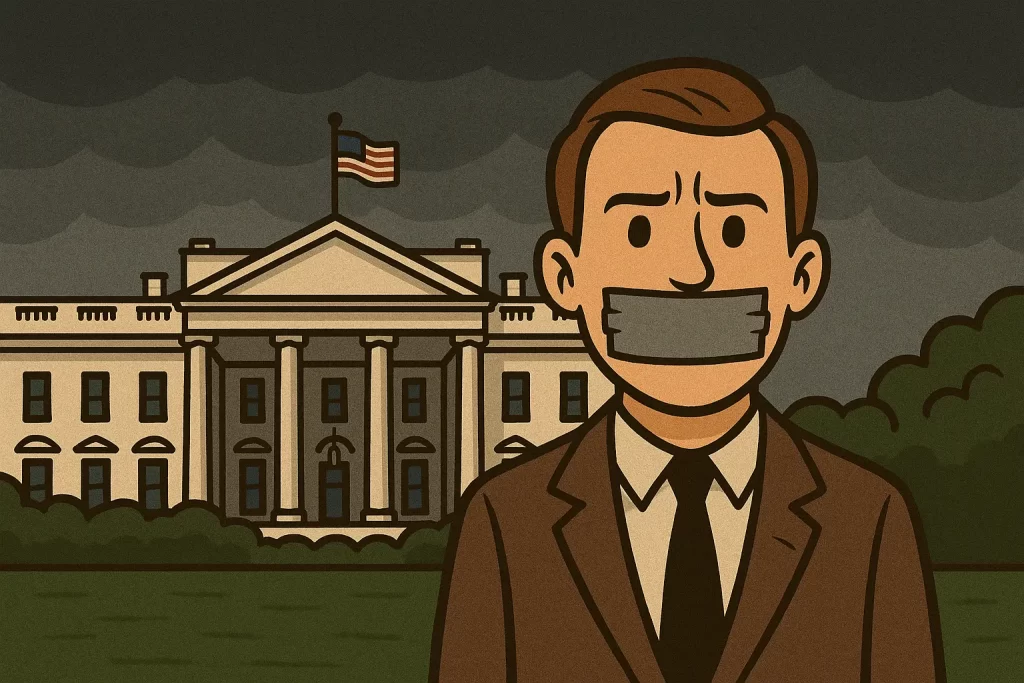
The Presidents vs. the Press: The Endless Battle Between the White House and the Media—from the Founding Fathers to Fake News by Harold Holzer: The Fourth Estate has tussled with the “leaders of the free world” since America was born. Multiple wartime presidents clamped down on dissent from the press (James Madison and LBJ are notable exceptions). The gregarious Theodore Roosevelt enjoyed the presence of reporters in a tumultuous era for journalism even as he kept a steady hand on the privilege of presidential access. FDR used the then-popular medium of radio to personally inform, reassure, and engage his audiences. Bill Clinton managed to save his candidacy through a 60 Minutes interview but he and the First Family were relentlessly and ridiculously targeted by conservative media outlets throughout his presidency. The rise of social media in the 21st century made the White House a powerful magnet for attention, amazement, and accusations false and true. This in-depth and enlightening book makes it clear that misinformation is easy and sells easier and that presidents owe the American people the truth. And, perhaps, a certain level of press vs power friction might be an inevitable necessity in a democratic society to avoid the evils of state-run media and propaganda.
The Presidents and the People: Five Leaders Who Threatened Democracy and the Citizens Who Fought to Defend It by Corey Lang Brettschneider: Federal censorship and oppression have manifested in several ways throughout American history, and Brettschneider picks some of the more egregious examples to discuss in his insightful read. John Adams’ efforts at silencing the press through the Alien and Sedition Acts being one of the first major cases, while Nixon’s more blatant criminal activity would lead to a watershed moment in terms of both accountability and the lack thereof. But the failures, both accidental and deliberate, of Presidents Buchanan and Andrew Johnson preceding and succeeding the Civil War would lead to infestations of bloodshed and sanctioned suppression that have not been easily healed. Woodrow Wilson’s domestic accomplishments included blatant racism practiced throughout his presidential tenure that enabled further manifestations throughout the country. But as a refreshing antidote, and an important reminder for Americans now and always, Brettschneider reminds us of the people who helped resist governmental suppression. Some of them were leaders in government who held themselves to a higher code of conduct than their predecessors, but most were journalists, whistleblowers, or civil rights activists. The lesson is clear: when the going gets tough, the people get tougher.
Lula Dean’s Little Library of Banned Books by Kirsten Miller: A ferociously excellent satiric novel that tackles the absurdities, paradoxes, tragedies, and frustrations of book-banning campaigns. When the titular Lula Dean embarks on her self-righteous crusade to remove the “inappropriate” novels that she never read from the library, offering up a little free library full of “safer” reads, someone decides to take a more subtle approach to fighting back by placing the dust jackets of the “safer” reads over the books Lula Dean seeks to remove. Even as the book pokes fun at the idea that banning books would ever work, it also points out why those books are necessary: to create empathy with the oppressed, to educate on culturally sensitive subjects, and to make people think. And thinking—plus laughing, plus cheering, plus perhaps crying—is something that every reader of this book will be doing before the story’s over.
The Grapes of Wrath by John Steinbeck: This seeming classic of American literature, written by a classic American author, was banned and challenged in several places across the country almost immediately after its publication in 1939. Some people even burned the book. No place was faster and fiercer in trying to censor the book than one of its starring settings: Kern County in California. The fictional Joad family tries to find a better life after their troubled odyssey from a Dust Bowl-wracked Oklahoma; however, they fare little better in California, where they and other migrants are ruthlessly exploited for their labor by the big landowners. Although phrases such as “vulgar words” cropped up in some places as motives for banning the book, the political undercurrents that had people decrying it as communist propaganda played a large role in the Associated Farmers in Kern County using their own influences over the law to suppress the book—just like the landowners suppress the workers through methods such as blacklisting in The Grapes of Wrath. Steinbeck’s tremendous skill as a writer operates fully in this book, and the way it set people across the country on fire—in good and bad ways both—further highlights its skill in making readers understand and empathize with others who needed, need, and will need their help.
By Grace Dietz
Grace is an Editorial Assistant with Technica Editorial
References:
https://www.npr.org/2008/09/30/95190615/grapes-of-wrath-and-the-politics-of-book-burning
https://www.arts.gov/stories/blog/2020/ten-things-you-might-not-know-about-grapes-wrath
https://www.ala.org/bbooks/frequentlychallengedbooks/top10/archive