AI has revolutionized countless industries, from healthcare to finance to education to the publishing industry. Among the latest applications is AI text detection software, which aims to determine whether a given piece of text was written by a human or generated by an...
 Join us September 18th at 11 AM EDT / 3 PM UTC for “How to Find Your Journal Production Flow: Case Studies for Small and Medium Publishers,” a free virtual ALPSP Conference session sponsored by Scholastica. At Technica Editorial, we help journals and publishers cut...
 I had the pleasure of recently attending and presenting at the ISMTE 2025 North American Annual Conference — Editors Without Borders: Breaking Silos in a Technological World. The conference took place August 5–8, 2025 in Montréal, a melting pot of a city emblematic of...
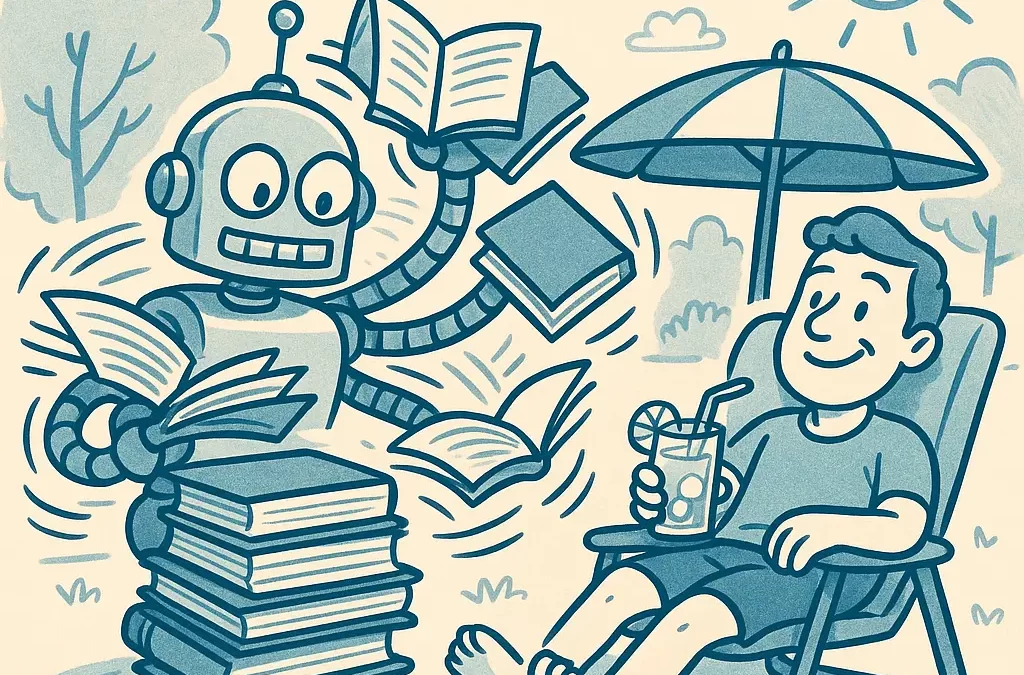 Introduction For multiple generations, peer review has been a huge piece of the puzzle for scholarly authors looking to get their work published. And until recently, that peer review has consisted exclusively of human eyes looking at a submission. Now, with the rise...
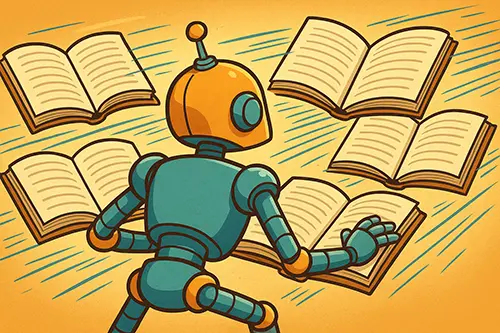 In the first of this two-part series, we explored how the use of artificial intelligence (AI) during the peer review process can be helpful and productive for authors who are looking to submit their work to peer-reviewed journals. We delved into the benefits that...
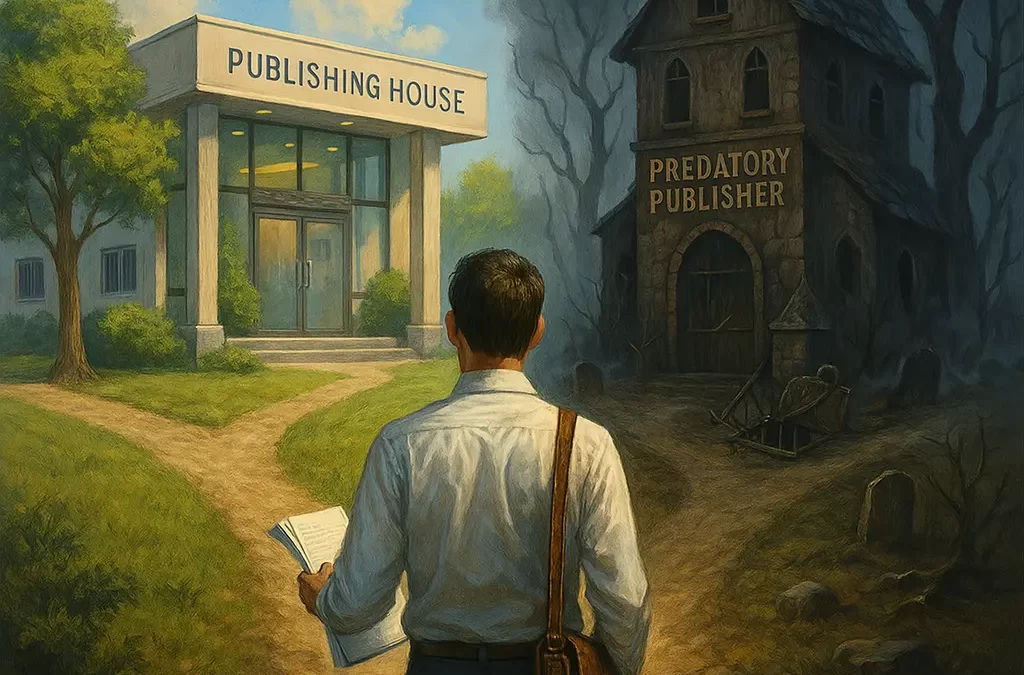 Predatory publishing has unfortunately become a big business for con artists. In the realm of journal publishing, predatory publishers have sadly been prominent for years now. The need for scholars to publish regularly and quickly has led to numerous scam journal...