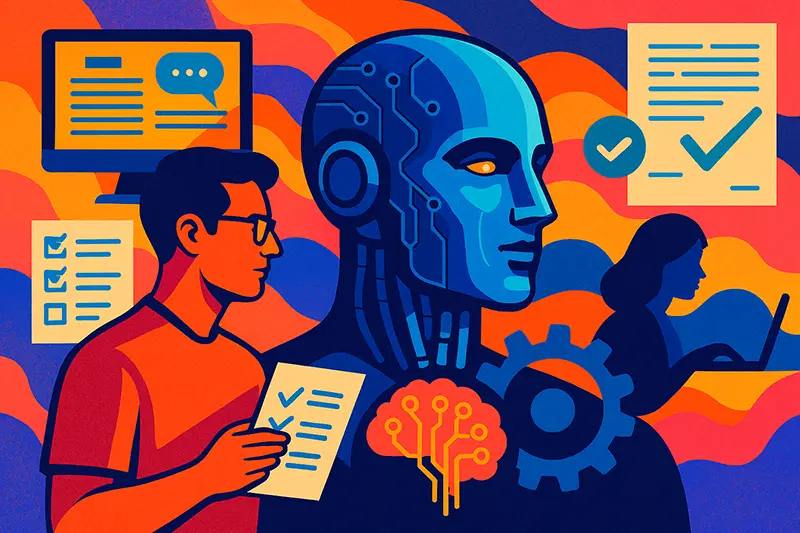
 Currently, most journals require at least two peer reviewers per manuscript. While specific criteria vary per publisher, a core requirement for reviewers is that they are expected to have subject-matter expertise that is relevant to the manuscript in which they are...
As previously mentioned, the Trump Administration has been relentlessly pushing new executive orders targeting various policies from the previous presidential administration. Much of the focus in the publishing industry so far has been on the efforts of the Department...
Currently, most journals require at least two peer reviewers per manuscript. While specific criteria vary per publisher, a core requirement for reviewers is that they are expected to have subject-matter expertise that is relevant to the manuscript in which they are...
As previously mentioned, the Trump Administration has been relentlessly pushing new executive orders targeting various policies from the previous presidential administration. Much of the focus in the publishing industry so far has been on the efforts of the Department...
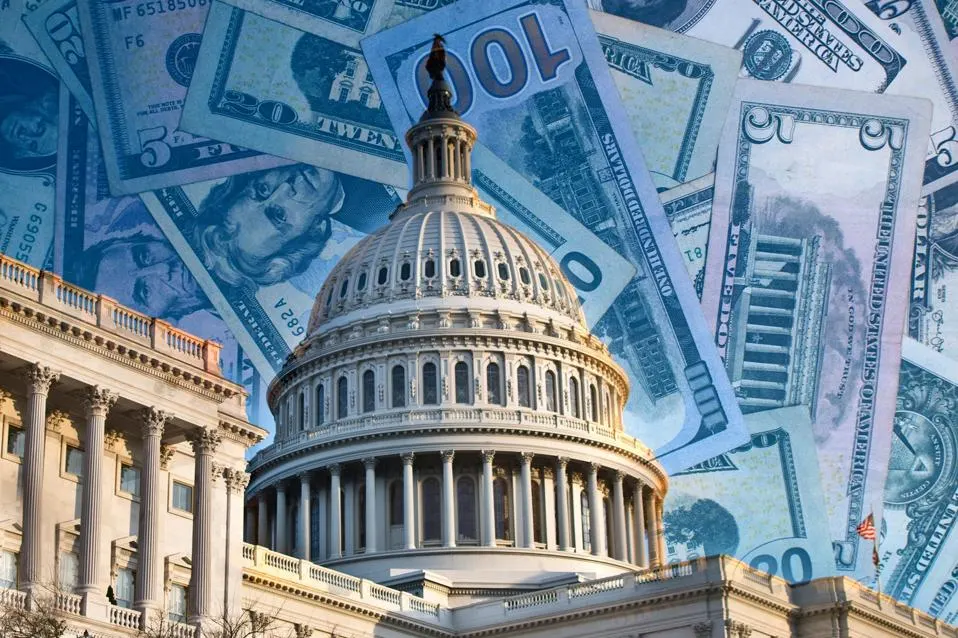 The inauguration of a new presidential administration always has an effect on the publishing industry whether that impact be minimal or substantial. In the case of Donald Trump’s second inauguration as president of the United States, that impact seems likely to be...
 Artificial Intelligence is now a cornerstone of publishing whether authors want to admit it or not. AI tools and large language models (LLMs) are being used not just to write sections of manuscripts but also to help with the editing process and with the review process...
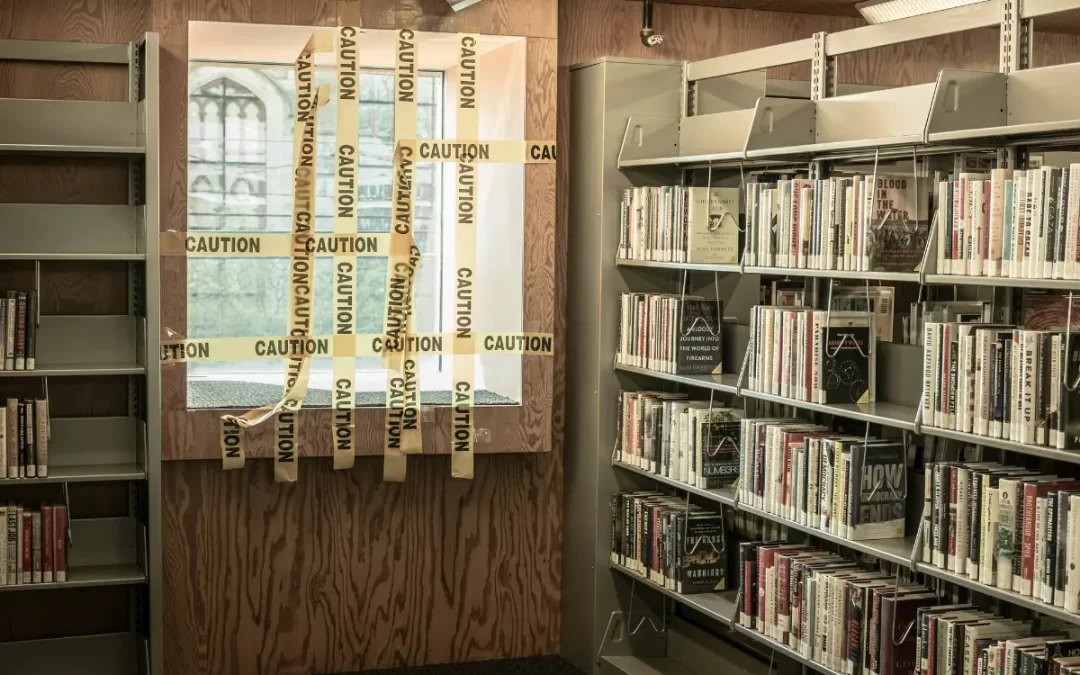 Banned Books Week is “an annual event that highlights the value of free and open access to information.” Beginning in September of 1982, Banned Books Week was created in response to an unexpected surge in the number of challenges to books available in libraries,...
 If the scholarly publishing community has learned nothing else over the last 5 years, it’s that for better or worse, AI is here to stay. Peer reviewers are using it. Authors are using it. We’ve talked so much about the use of AI in scholarly publishing and the...