 Currently, most journals require at least two peer reviewers per manuscript. While specific criteria vary per publisher, a core requirement for reviewers is that they are expected to have subject-matter expertise that is relevant to the manuscript in which they are...
 When an author is first starting out in the scholarly publishing world, he or she likely is eager to get published by as many journals as possible, as quickly as possible. And that’s understandable, given the fierce level of competition that’s going on in today’s...
 In a rapidly evolving academic landscape (and political landscape), conversations surrounding diversity, equity, and inclusion (DEI) have become important and somewhat contentious. While we previously noted how some academic publishers and groups were scrubbing...
 I’ve never been much of a fan of nonfiction until I discovered the world of the University Press. And it is easy to overlook the quiet power behind some of the most thoughtful and transformative books, published by university presses. The University Press isn’t just...
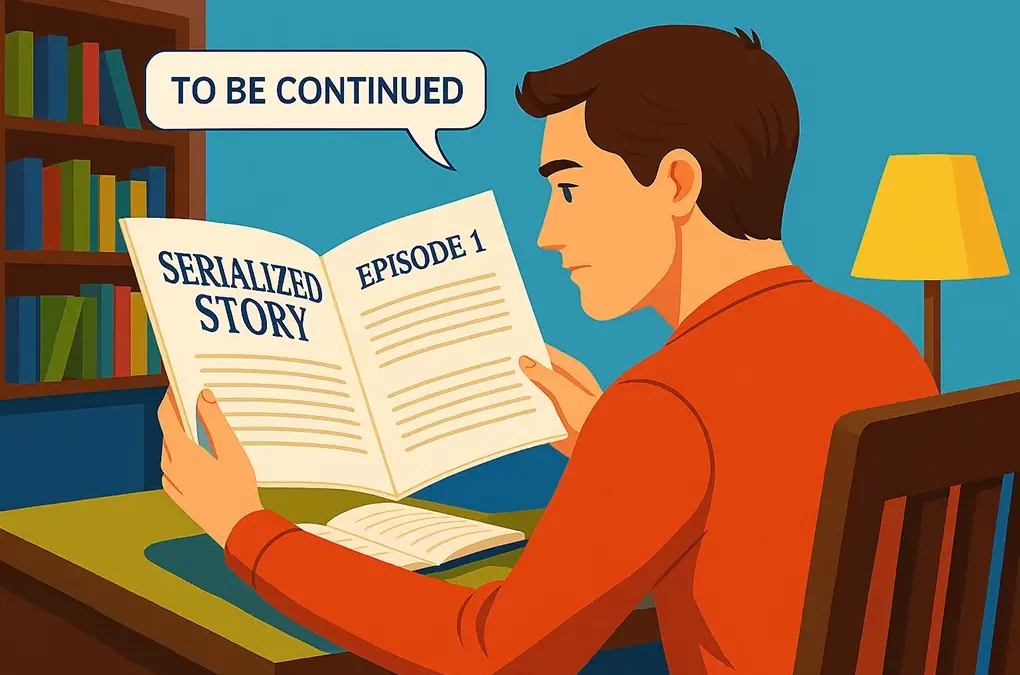 Serialized fiction is a format of storytelling in which a complete or ongoing narrative is broken up into smaller installments that authors or publishers release periodically over time. This storytelling format enjoyed great popularity during the 19th century, with...